Marketing in 2026 will be shaped by depth, trust, and intelligence. Brands will move away from chasing attention at all costs and focus more on building meaningful relationships with consumers. The emphasis will be on understanding people better, using technology responsibly, and creating value that goes beyond selling products or services.

AI Moves From Support to Decision-Making
Artificial intelligence will play a bigger role than ever before. In 2026, AI will not only support marketing teams but also help make key decisions, such as when to launch campaigns, which audiences to target, and which messages perform best. While AI will improve efficiency and accuracy, human creativity and judgment will remain essential to guide strategy and ensure authenticity.
Hyper-Personalisation Becomes Seamless
Personalisation will become more advanced and less noticeable. Consumers will experience content, offers, and services that adapt in real time based on behaviour, location, and context. Instead of feeling intrusive, this level of personalisation will feel natural, making interactions with brands smoother and more relevant.
Community Replaces Mass Audiences
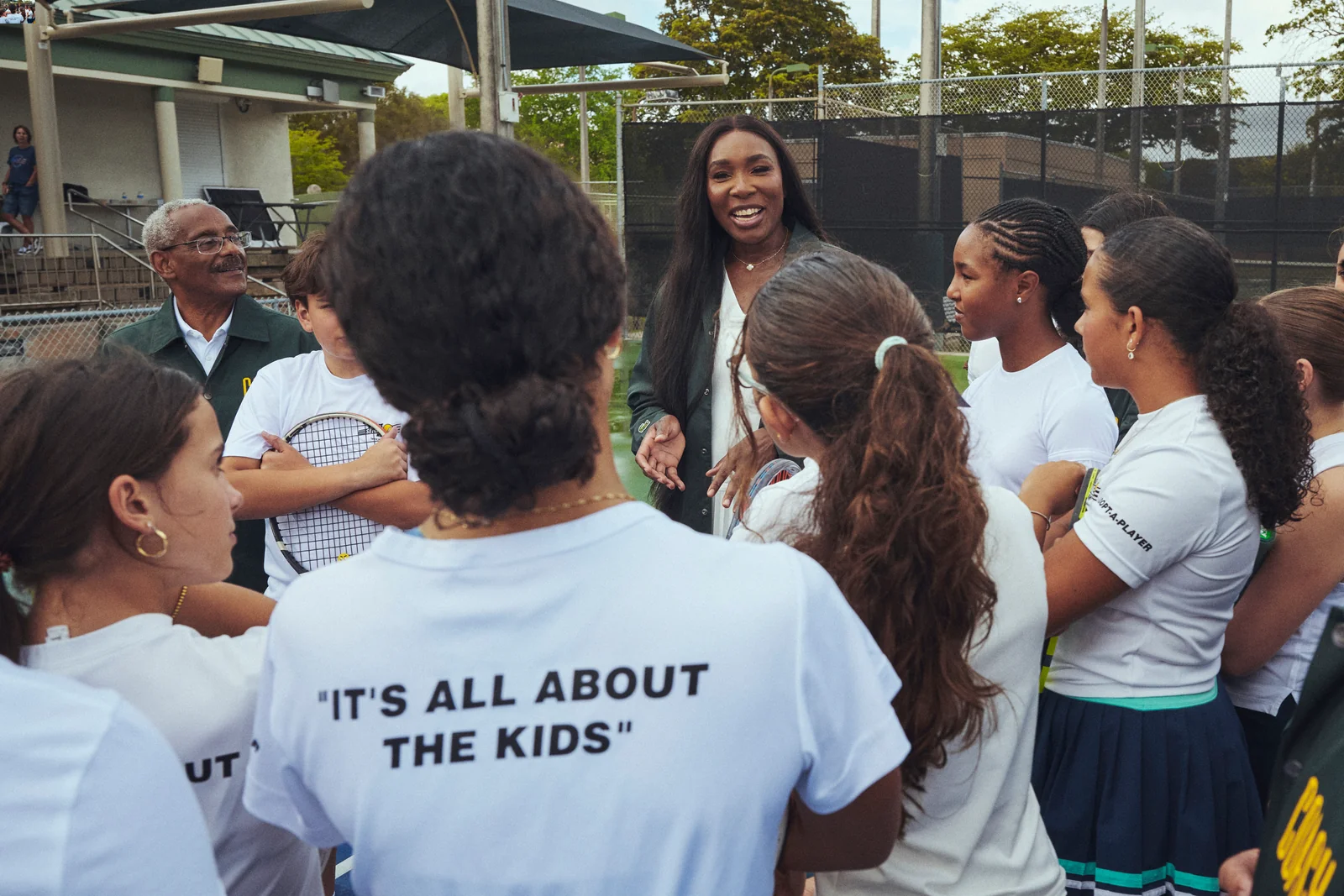
Community building will replace the idea of mass audiences. Brands will invest in smaller, more engaged groups through private platforms, messaging apps, and loyalty ecosystems. These communities will help brands build trust, encourage advocacy, and create long-term relationships rather than short-term engagement.
Trust Becomes a Brand’s Most Valuable Asset
Trust will become one of the most valuable assets for brands in 2026. With the rise of AI-generated content and growing concerns about data privacy, consumers will expect transparency and honesty. Brands will need to clearly explain how they use data, be open about their use of AI, and ensure their actions match their promises.
Voice and Conversational Content Will Grow
Voice, audio, and conversational content will continue to grow. More consumers will search, shop, and interact with brands through voice assistants, podcasts, and chat-based platforms. In South Africa, this will be especially important as brands adapt content for different languages, accents, and everyday speech patterns.
Commerce Will Happen Everywhere
Shopping will happen across multiple platforms without clear boundaries. In 2026, commerce will be integrated into social media, video content, live streams, and messaging apps. The journey from discovery to purchase will be shorter, with fewer steps between interest and checkout.
Sustainability Moves From Storytelling to Proof
Sustainability will move from storytelling to accountability. Brands will be expected to back up their environmental and social claims with measurable proof. Consumers and regulators will increasingly question vague promises, making transparency and real impact more important than polished campaigns.
Marketing Teams Become Smaller but Smarter
Marketing teams will become smaller but more skilled. Automation will handle many repetitive tasks, allowing marketers to focus on strategy, creativity, and insight. The marketer of 2026 will need to understand technology, data, culture, and storytelling at the same time.
Data Ownership Becomes a Competitive Advantage
In 2026, brands that own their data will be stronger and more independent. With the continued decline of third-party cookies and stricter privacy expectations, first-party data will be the foundation of marketing strategy. Brands will invest more in loyalty programmes, subscriptions, and direct relationships that allow them to understand customers without relying on external platforms. In South Africa, brands that respect data and communicate clearly about how it is used will earn long-term trust.
Cultural Intelligence Shapes Campaign Success
Cultural understanding will become just as important as digital skills. In 2026, brands will need deep insight into local culture, language, and social context to remain relevant. Campaigns that reflect real South African experiences, humour, and values will perform better than generic global messaging. Cultural intelligence will help brands avoid backlash, build authenticity, and connect meaningfully with diverse communities.
Marketing Becomes Human Again
In conclusion, marketing in 2026 will be more human despite being more technological. Brands that succeed will be those that use innovation wisely, build trust consistently, and create meaningful connections with their communities. The future of marketing will not be louder or faster, but more thoughtful and intentional.