
In an era where businesses are under pressure to move faster, operate smarter and remain accountable, procurement remains one of the most overlooked opportunities for transformation. While industries have embraced digital disruption, procurement processes across many organisations still struggle with inefficiencies, lack of transparency and fragmented systems.
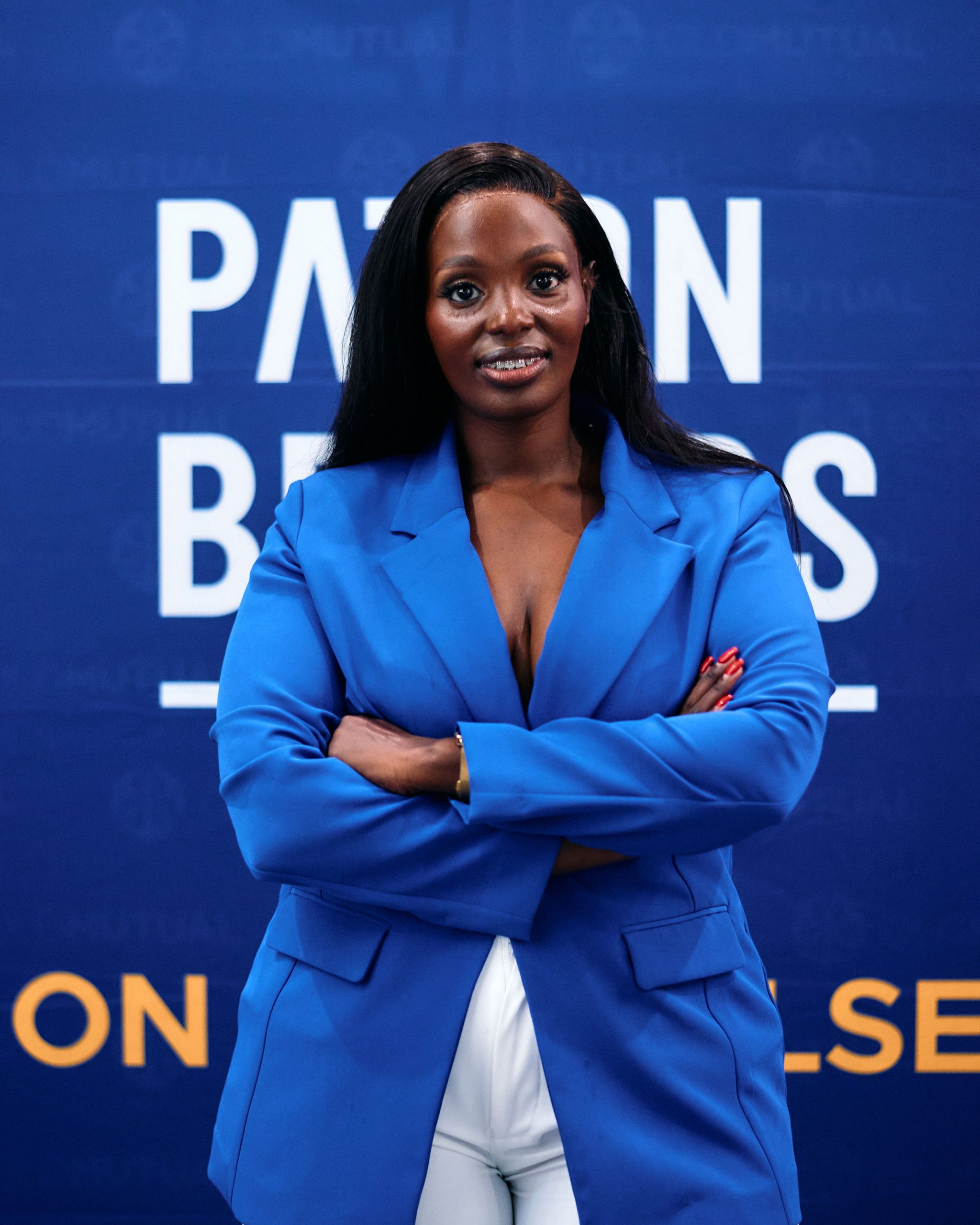
This is exactly the challenge that Thobile Zuma, founder of Tendrai, is setting out to solve.
Built as an AI-powered procurement platform, Tendrai is positioning itself as more than just another procurement tool. It is building an ecosystem designed to connect buyers and service providers in a way that is transparent, intelligent and accessible. At the heart of the business is a simple but powerful belief: procurement should work better for everyone involved.
Turning Real Procurement Pain Points Into Opportunity
The idea for Tendrai was born from lived experience. Thobile Zuma spent years working within procurement, witnessing firsthand the operational gaps and frustrations experienced by both buyers and suppliers.
For buyers, the problems were clear: sourcing credible service providers, slow onboarding processes, inconsistent workflows, weak audit trails and limited visibility into decision-making. Contract and SLA management also presented ongoing challenges, often leading to unmanaged obligations and revenue leakages.
On the supplier side, especially for SMMEs, the barriers were equally significant. Businesses struggled to access opportunities, navigate complex tender requirements and position themselves competitively in the market. Many wasted valuable time bidding for opportunities they were either underqualified for or unlikely to win.
Rather than seeing these issues as isolated problems, Thobile recognised them as symptoms of a fragmented ecosystem. That insight became the foundation of the platform.
“We realised the issue wasn’t a lack of capability or opportunity,” explains Zuma. “It was a lack of connection, visibility and structure.”

Building More Than a Procurement Tool
What differentiates Tendrai in an increasingly crowded technology landscape is its approach to procurement as a complete ecosystem rather than a single-function solution.
The platform focuses on the entire procurement lifecycle — from opportunity creation and supplier onboarding to vetting, contract management and performance tracking. By integrating these processes into one intelligent platform, Tendrai aims to simplify procurement while improving accountability and governance.
Transparency sits at the core of the brand’s value proposition. The platform is designed to ensure that procurement decisions are visible, traceable and consistent, helping organisations reduce governance risks while strengthening trust between buyers and suppliers.
AI also plays a central role in the platform’s functionality, not as a gimmick, but as an enabler. The technology is intended to streamline workflows, improve decision-making and create better supplier matches while still maintaining human oversight.
At the same time, the business places strong emphasis on inclusivity. Tendrai is particularly focused on enabling SMMEs to participate more effectively in procurement by helping them better understand requirements, improve proposals and access opportunities more efficiently.
The Challenge of Building From the Ground Up
Like many startups, one of the hardest parts of building Tendrai has been translating years of industry insight into a practical, scalable solution.
Beyond developing the technology itself, the business has also had to challenge long-standing perceptions around procurement. Traditionally viewed as rigid and process-heavy, procurement is not always quick to embrace innovation — especially AI-driven solutions.
“There’s a level of trust you need to build when introducing a new way of doing things,” says Zuma. “You’re asking businesses to rethink how they operate.”
The business is currently self-funded, allowing the team to remain intentional about growth while focusing on refining the product ahead of its planned launch in Q3 2026. Rather than scaling prematurely, the focus has been on validating assumptions, strengthening the solution and ensuring that the platform delivers meaningful value from day one.
Why Community Matters
For Tendrai, community is not a marketing afterthought — it is central to the business model.
Because the platform serves both buyers and suppliers, building trust and engagement across the ecosystem is essential. The company sees community as a space where businesses can learn, collaborate and grow together.
This is especially important for SMMEs, many of whom lack access to the networks, knowledge and support structures needed to compete effectively in procurement environments. By creating opportunities for learning and participation, Tendrai hopes to foster a more inclusive business ecosystem.
The company also uses community feedback to shape the platform’s evolution, ensuring that development remains grounded in real-world challenges rather than assumptions.
Building a Legacy Brand
While many startups focus on rapid exits or short-term scale, Thobile Zuma’s ambitions for Tendrai are rooted in long-term impact.
The business describes itself as being built for legacy — not simply acquisition or lifestyle. The vision is to become a trusted procurement platform across multiple markets while playing a meaningful role in improving access, governance and efficiency across the broader business ecosystem.
Over the next three to five years, the company hopes to expand partnerships across both the public and private sectors, onboard more SMMEs and collaborate with ERP providers, enterprise development programmes and purchase order funders to strengthen the ecosystem even further.
For Zuma, success is ultimately measured by impact.
“It’s seeing businesses use the platform and genuinely find value in it,” she explains. “Whether it’s a buyer running a more transparent procurement process or an SMME accessing an opportunity they wouldn’t have found before.”
Lessons From the Journey
Entrepreneurship, Zuma says, has reinforced the importance of resilience, adaptability and staying connected to purpose.
One of the biggest lessons has been learning not to rush the process. Early on, there was a tendency to move quickly toward building solutions before fully unpacking the problem. Over time, that approach shifted toward deeper listening, stakeholder engagement and validation.
The experience also highlighted the importance of consistency over intensity.
“Showing up every day, even in small ways, matters more than waiting for perfect moments,” she reflects.
And while the business continues to evolve, one thing remains constant: a commitment to building procurement systems that are simpler, fairer and more transparent for everyone involved.