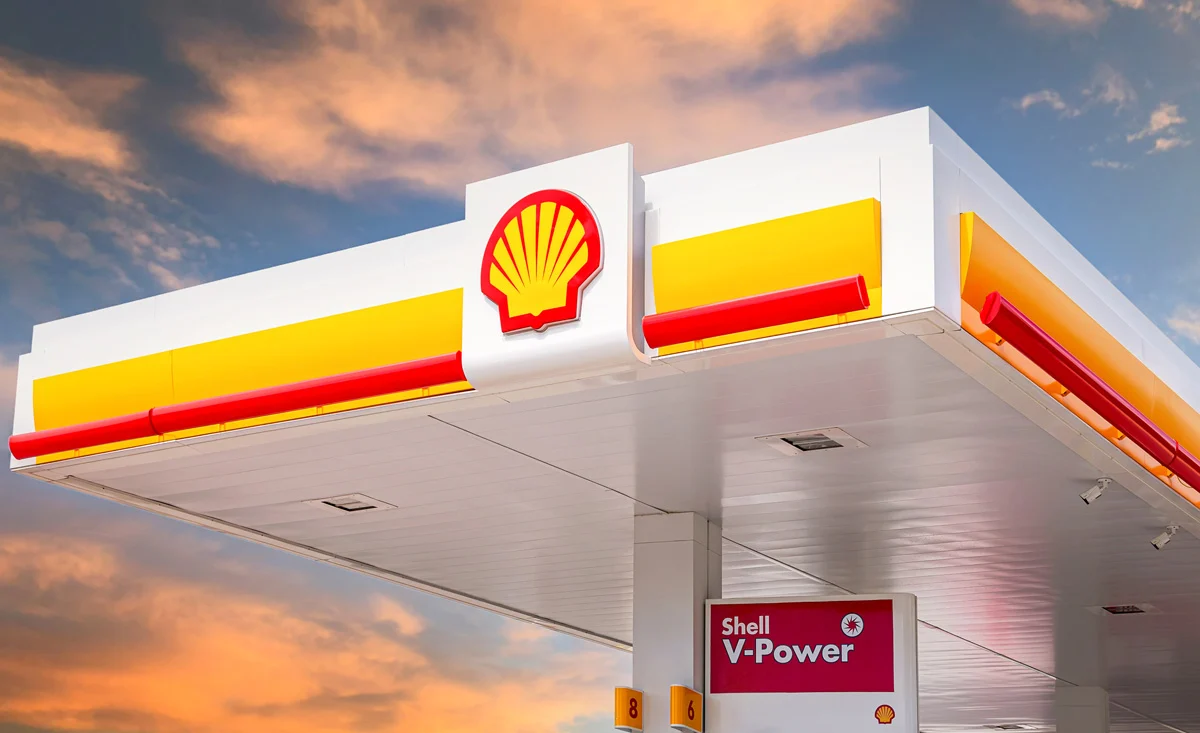
South Africa’s fuel retail landscape is set for a major shake-up after ADNOC Distribution reached an agreement to acquire Shell Downstream South Africa in a transaction valued at approximately $1 billion.
The deal gives the UAE-based energy and convenience retail company access to one of the country’s most established fuel networks, including 580 service stations and 360 convenience stores. More than a change in ownership, this could mark a new chapter for one of South Africa’s most visible everyday consumer touchpoints: the petrol station.
For decades, Shell has been part of the country’s mobility culture. From long-distance road trips to daily commutes, its forecourts have carried strong brand familiarity and consumer trust. ADNOC’s entry now raises an important question: how will a new global player build on that equity while bringing fresh investment, innovation and differentiation into a highly competitive market?
Why this matters for the market
Fuel retail is no longer just about petrol and diesel. Service stations have become convenience hubs where food, payments, loyalty programmes, banking, parcel collection and digital services increasingly shape the customer experience.
This is where the acquisition becomes particularly interesting from a brand perspective. ADNOC is not only buying fuel assets; it is buying access to millions of South African consumer interactions every month.
The opportunity lies in how the business uses that footprint to modernise the forecourt experience, strengthen convenience retail, improve digital payment systems and build loyalty in a market where consumers are increasingly value-conscious.
What happens to the Shell brand?
One of the biggest questions is whether South Africans will continue to see the Shell brand on forecourts. According to reports, ADNOC Distribution plans to retain the Shell brand for retail service stations and lubricants after the transaction is completed.
That decision could be strategically important. Shell carries decades of recognition in South Africa, and retaining the brand may help protect consumer familiarity while the new owner settles into the market.
However, brand ownership and brand experience are not the same thing. The real test will be whether service quality, store formats, loyalty offers and customer experience improve under the new structure.
A bigger African play
South Africa also gives ADNOC Distribution a strategic gateway into the continent. The country has one of Africa’s most developed fuel retail markets, with strong transport infrastructure and a large driving population.
For Middle Eastern energy companies looking to grow beyond their home markets, South Africa offers scale, infrastructure and regional influence. This acquisition therefore speaks to a bigger trend: global energy players are looking at Africa not only as a resource market, but as a consumer growth market.
Competition is about to get more interesting
The deal could place pressure on established players such as BP, Engen, Astron Energy, Sasol and TotalEnergies. In a market where fuel prices are regulated, differentiation often comes from convenience, loyalty, service, partnerships and the quality of the forecourt experience.
For consumers, this could be a positive development if it leads to better stores, stronger rewards, improved service and more innovation at the pump.
For competitors, it is a reminder that the future of fuel retail will be won beyond fuel. The strongest brands will be those that understand the forecourt as a lifestyle, convenience and mobility ecosystem.
Looking ahead
The transaction remains subject to regulatory approvals, including competition and sector-related processes. If approved, the deal is expected to close in 2027.
For South Africa, this is one of the most significant fuel retail transactions in recent years. For the brand and marketing industry, it is a story worth watching closely.
The real headline may not be that Shell is selling. It may be that South Africa’s forecourt wars are entering a new era.
Stay in the brand conversation.
Get the latest brand news, campaigns, opportunities and industry moves from Pat on Brands.