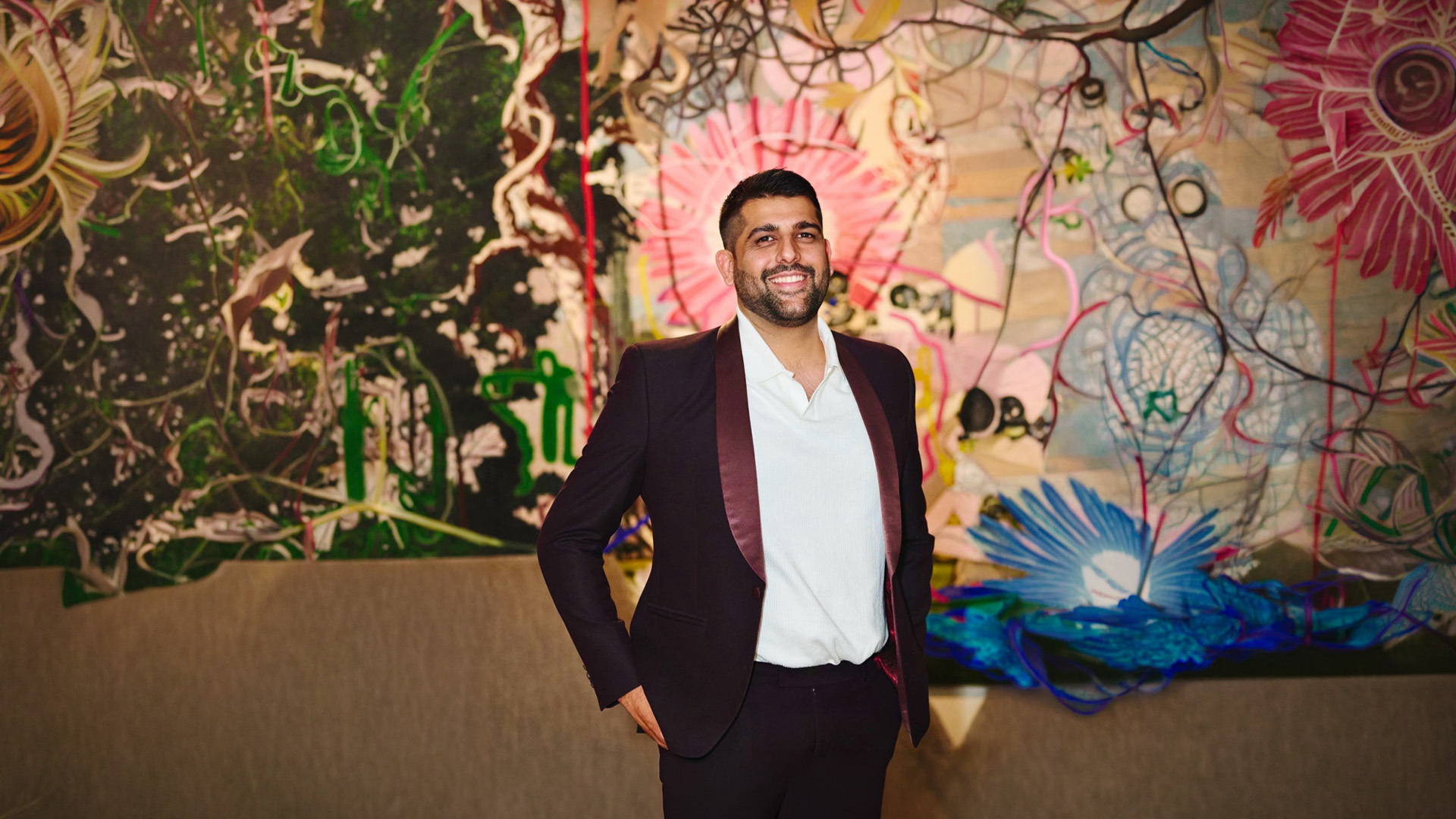
From Finance to FMCG — Building Brands Where Culture, Sport, and Relevance Collide
Aboobaker Hassim didn’t start in marketing. In fact, his journey into brand building is a reminder that sometimes the most meaningful careers are not linear, they’re intentional.
Today, he is a Marketing Manager at PepsiCo, looking after a dynamic portfolio of brands in South Africa’s competitive FMCG space. But beyond the title, he’s a brand builder driven by curiosity, culture, and a growing passion for sport and sponsorship marketing.
“I’m energised by the role brands play in culture,” he says. “That’s what keeps me going.”
The Origin Story
Aboobaker’s journey didn’t begin in boardrooms or brand campaigns, it began in finance.
Like many, he followed a traditional path, completing a BCom in Finance. But even then, something felt off. The numbers made sense, but they didn’t excite him.
The shift came during a short learnership with Digify Africa, an unpaid opportunity that introduced him to marketing for the first time. It opened his eyes to an industry that felt alive, creative, and culturally connected.
From there, his career became a series of intentional moves closer to brand.
He started at Danone Southern Africa in commercial finance, then moved to McCain Foods, always positioning himself closer to sales and marketing teams.
Eventually, he transitioned into Category Management at PepsiCo, a role that exposed him to trade marketing, shopper insights, and brand strategy.
But he knew he wanted more.
So he formalised the shift. A postgraduate diploma in marketing. A move into brand. A role on Simba. Then Lay’s.
And that’s where everything clicked.
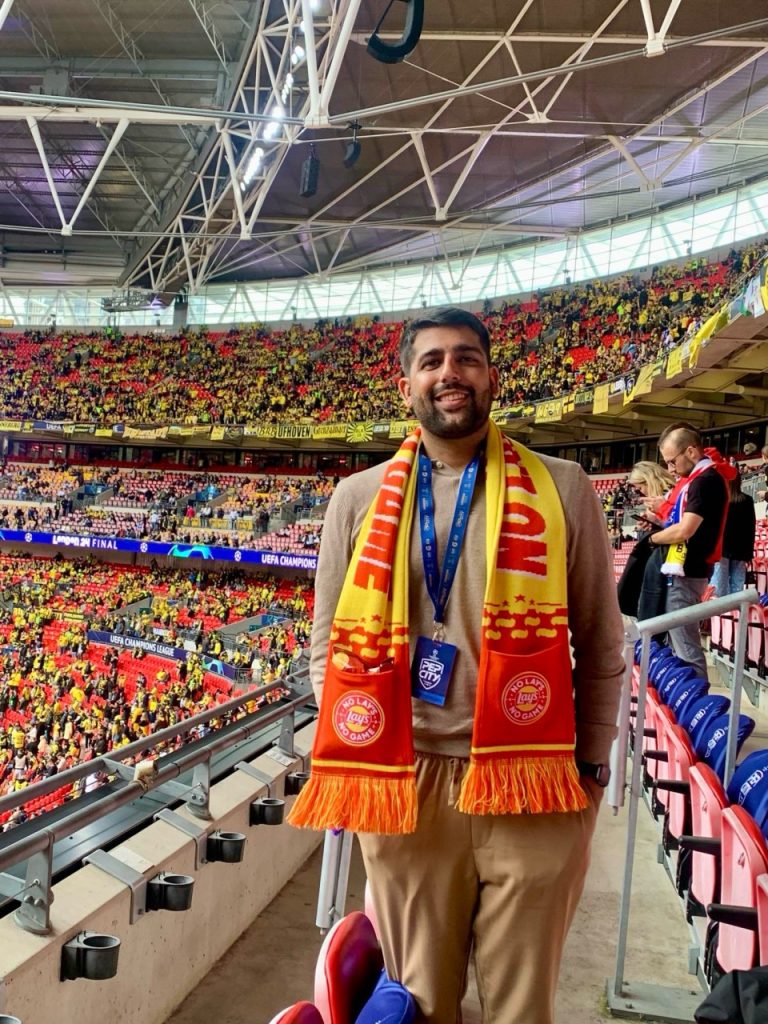
Working on the Lay’s UEFA Champions League partnership for three consecutive years didn’t just build his skillset, it shaped his ambition.
“That’s when I realised how powerful it is when sport, culture and brand building come together.”
The Work: Where Marketing Meets Reality
Today, Aboobaker leads PepsiCo’s Extrudes and Pellets portfolio — including brands like NikNaks, Ghost Pops, ChipNiks, and Cheetos.
But this isn’t the glossy side of marketing.
This is the real battlefield.
- A price-sensitive category
- Highly competitive retail environments
- Strict marketing regulations
His role is less about big campaigns — and more about making brands win where it matters most: at shelf.
“I spend a lot of time working with sales, operations, retailers and wholesalers,” he explains. “It’s about making sure the brand is competitive, visible, and relevant in real time.”
It’s fast. Tactical. Grounded in reality.
And it’s shaping him into a sharper, more complete marketer.
A Campaign That Stayed With Him
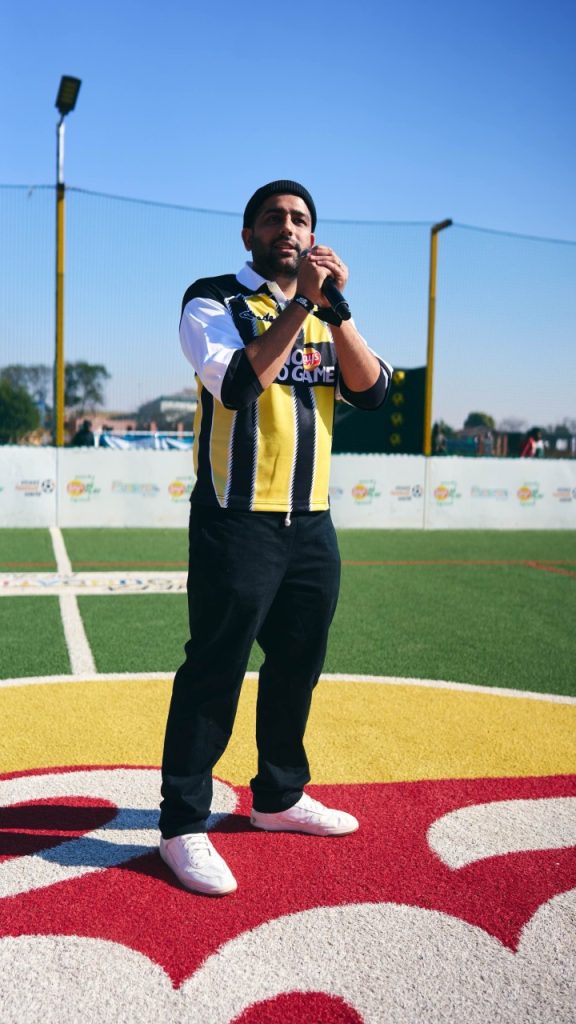
One of his most meaningful projects came during his time on Lay’s — the Ultimate Super Fan Challenge, part of the UEFA Champions League platform.
The campaign gave everyday South African fans the chance to play football at the Lay’s Replay field in Tembisa alongside legends like Lucas Radebe, Josta Dladla, Amanda Dlamini, and Janine van Wyk.
But the real impact wasn’t just the moment.
It was the meaning.
The field itself, built from recycled Lay’s packets, partnered with SafeHub South Africa to create a safe space for young people in the community.
“It showed me that sponsorship can go beyond awareness,” he says. “It can create real impact.”
That moment solidified his direction: sport, culture, and brand.
Building Brands in South Africa
If there’s one insight Aboobaker carries, it’s this:
Relevance matters more than perfection.
South Africa is complex. Consumers are price-conscious. Culture is layered. And the same consumer can aspire to premium while needing value.
“You can have the best global campaign,” he says, “but if it doesn’t connect with how people actually live and spend, it won’t land.”
Balance is everything.
- Global and local
- Aspirational and accessible
- Strategy and reality
What Brand Building Really Means
For Aboobaker, brand building doesn’t live only in advertising.
It lives:
- At shelf
- In pricing
- In availability
- In partnerships
- In culture
“Some of the most impactful work isn’t the biggest campaign,” he explains. “It’s the work that understands the shopper best.”
And that’s what South Africa teaches you.
To be commercially sharp.
Culturally aware.
And adaptable, all at once.
Brands He Admires
One brand that stands out for him is Lucky Star.
On paper, it’s a simple product — canned fish. But culturally, it’s something much bigger.
A staple.
A symbol of home.
A brand that understands its place in people’s lives.
What makes it powerful is how it shows up, from township activations to music and youth culture, in ways that feel authentic, not forced.
It’s proof that you don’t need to be premium to be powerful.
Creativity vs Commercial Pressure
In Aboobaker’s world, commercial pressure is constant.
Working in a price-sensitive category means every decision must make business sense first.
So creativity evolves.
“It’s not always about big ideas,” he says. “It’s about smart ideas that work within real constraints.”
Earlier in his career, there was more room for long-term platform thinking. Now, it’s about speed, practicality, and impact.
Creativity, for him, is not separate from business.
It’s a tool to solve it.
The Hardest Part of the Journey
One of his biggest challenges has been managing the pace, and the pressure to prove himself.
Coming from a non-traditional marketing background, he often felt the need to overcompensate.
But over time, he learned something important:
Growth takes time.
Consistency beats urgency.
And patience is part of the process.
A Lesson That Changed His Thinking
Early in his career, he focused too much on what good marketing looks like — instead of what the business actually needed.
“I would push for bigger ideas,” he reflects, “when the reality needed something more practical.”
That shift changed everything.
Great marketing isn’t always the most exciting idea.
It’s the one that works.
The Skills That Matter
To succeed in South Africa’s marketing landscape, Aboobaker believes you need one core capability:
The ability to balance creativity with commercial understanding.
Because in this market, ideas alone are not enough.
You need to understand:
- The shopper
- The business
- The shelf
That’s where brands actually win.
Growth, Support & Perspective
When asked who shaped his journey, his answer starts at home.
“My wife,” he says. “If it wasn’t for her, I’d probably still be in finance.”
She pushed him to take the risk — to choose passion over predictability.
And professionally, leaders who saw potential before he fully saw it himself gave him opportunities that accelerated his growth.
That combination; personal belief and professional support, changed his trajectory.
Rapid Fire
Biggest career lesson so far:
Your career grows the most when you take the uncomfortable step.
Best advice you’ve received:
“You’re not a tree, if you’re not happy, move” – Trevana Moodley
One book/podcast every brand builder should know:
I am a big fan of Lebo Lion
One tool you can’t work without:
Secretly obsessed with Excel
Dream brand to work on (local or global):
Adidas — Football Marketing Manager, managing talent, teams, and jerseys. A dream.
Looking Ahead
In the next few years, Aboobaker sees himself moving closer to sport, sponsorship, and culture-led marketing.
Not just managing brands but, shaping how they show up in the moments people care about most.
Advice to the Next One Up
“There are safer careers,” he says. “But few that let you shape what people see, feel and talk about every day.”
If you’re curious, resilient, and willing to learn on the go; marketing will reward you.
Because at its best, it’s not just business.
It’s culture in motion.
You may also like: Young & Building Brands: Thabang Modiba