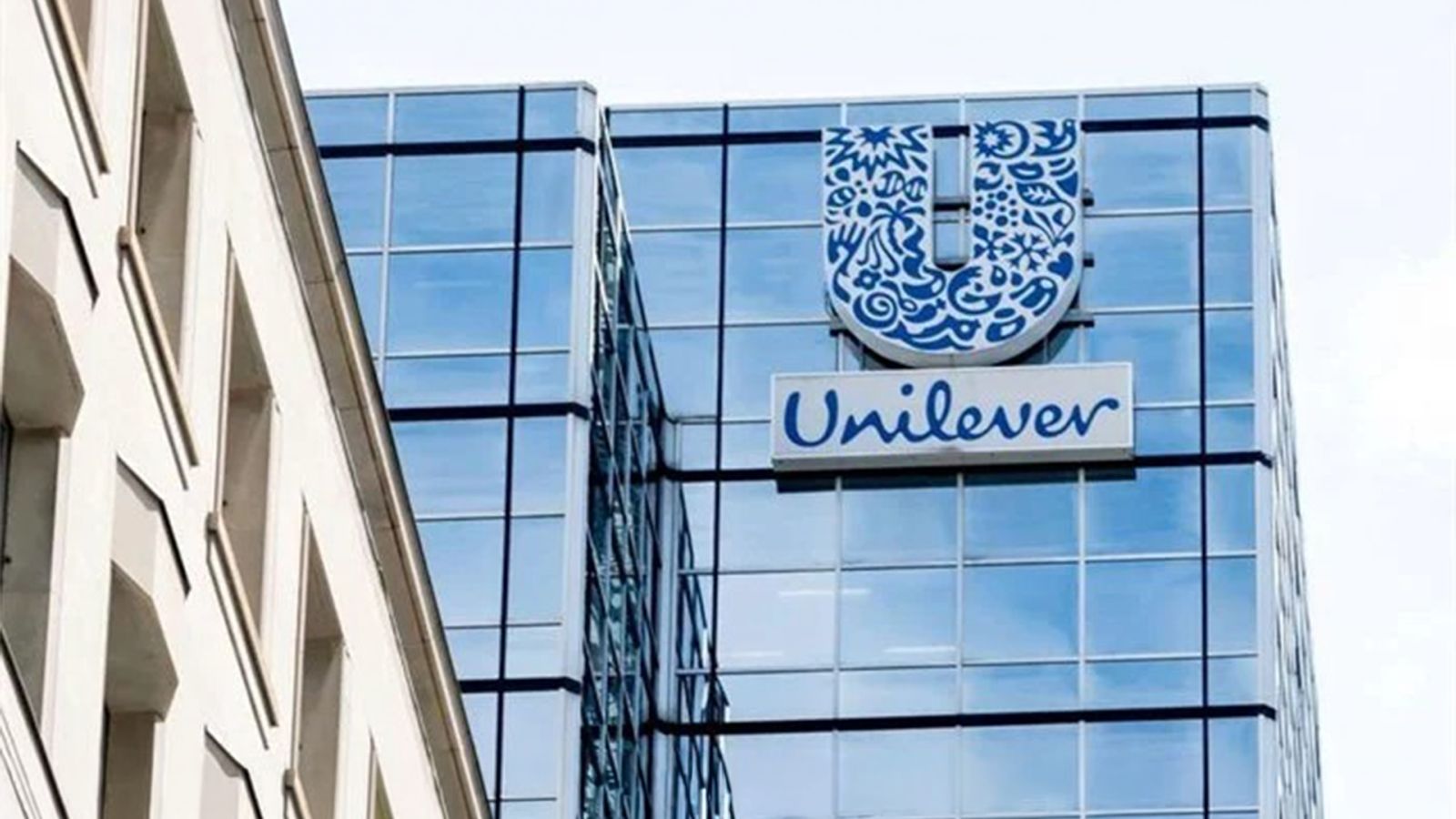
Unilever is shaking up the marketing world. The global consumer goods giant is pivoting to a social-first marketing strategy, focusing on influencers, creators, and digital engagement, while reducing emphasis on traditional mass advertising.
The move has sparked debate. Experts, including those highlighted in Adweek, question whether moving away from large-scale brand campaigns is a bold innovation or a risky overcorrection.
What Is Unilever’s New Marketing Doctrine?
At its core, Unilever’s updated marketing strategy prioritizes:
Influencer and creator-led campaigns
Social media-driven engagement
Demand generation through digital platforms
Reduced reliance on TV and mass media
This shift reflects a broader industry trend toward performance-driven marketing, where engagement metrics like views, shares, and clicks can be tracked and optimized in real time.
For a company managing over 400 brands globally, this is a significant evolution in how brand equity is built. It also signals a push for direct-to-consumer engagement, where creators serve as authentic conduits between brands and audiences.
Internal studies and case examples from brands like Dove and Hellmann’s illustrate that creator-led campaigns can drive niche engagement and brand affinity, but critics argue they may not fully replace mass reach.
The Core Debate: Mass Advertising vs Influencer Marketing
The key question is simple: Can influencer marketing replace mass advertising?
Social-First Advocates Argue:
Creators build authenticity and trust that large-scale ads often lack
Digital campaigns enable precise audience targeting
Engagement metrics allow measurable performance
Creators can amplify niche campaigns and cultural moments rapidly
Critics Counter:
Mass reach is still essential for driving brand growth
Large campaigns create mental availability, ensuring consumers think of your brand first
Social engagement does not automatically translate into market penetration
Overreliance on influencers risks fragmented messaging and inconsistent brand tone
For global consumer brands like Unilever, penetration matters more than engagement alone. Reaching light buyers and new audiences at scale is difficult without mass media.
Why Mass Reach Still Matters
Research consistently shows that large brands grow by being seen by everyone, not just highly engaged fans. Mass media provides:
Broad exposure to untapped audiences
Repeated brand memory structures that stick
Consistent messaging across geographies and demographics
Even with TikTok, Instagram, and other social channels, mass media, including TV, global sponsorships, and outdoor campaigns still delivers reach that social platforms struggle to replicate.
The real risk of a full social-first pivot is not innovation. It’s shrinking reach. And when reach declines, long-term brand growth and mental availability suffer.
For context, studies from eMarketer and Statista show that campaigns combining TV + digital + influencer content outperform digital-only strategies in terms of brand recall and purchase intent.
Is Unilever Really Abandoning Traditional Advertising?
Despite the bold language about “moving beyond big corporate messages,” Unilever continues to invest billions annually in marketing, with significant allocation to traditional channels and global sponsorships.
This includes high-profile campaigns and events that cannot be replaced by social content alone, such as FIFA World Cup sponsorships or global product launches.
Case Study: Dove & Hellmann’s
Dove’s Real Beauty Campaign: Integrated TV, social, and influencer activations to reach millions of new consumers while sparking meaningful conversations on social platforms.
Hellmann’s Mayonnaise Digital Engagement: Creator-led content drove niche engagement and culinary inspiration, but sales lift was strongest when paired with broad awareness campaigns.
These examples show why a hybrid approach is often most effective. Digital creators amplify the message, but mass media ensures scale.
The Real Brand Lesson
The Unilever debate highlights a broader principle in marketing: balance trumps extremes.
Reach drives awareness and brand penetration
Connection builds loyalty and cultural relevance
Brands that integrate both channels effectively outperform those that choose one over the other.
For marketers, the lesson is clear: don’t treat social-first as a replacement, treat it as a complement.
Stay in the brand conversation.
Get the latest brand news, campaigns, opportunities and industry moves from Pat on Brands.