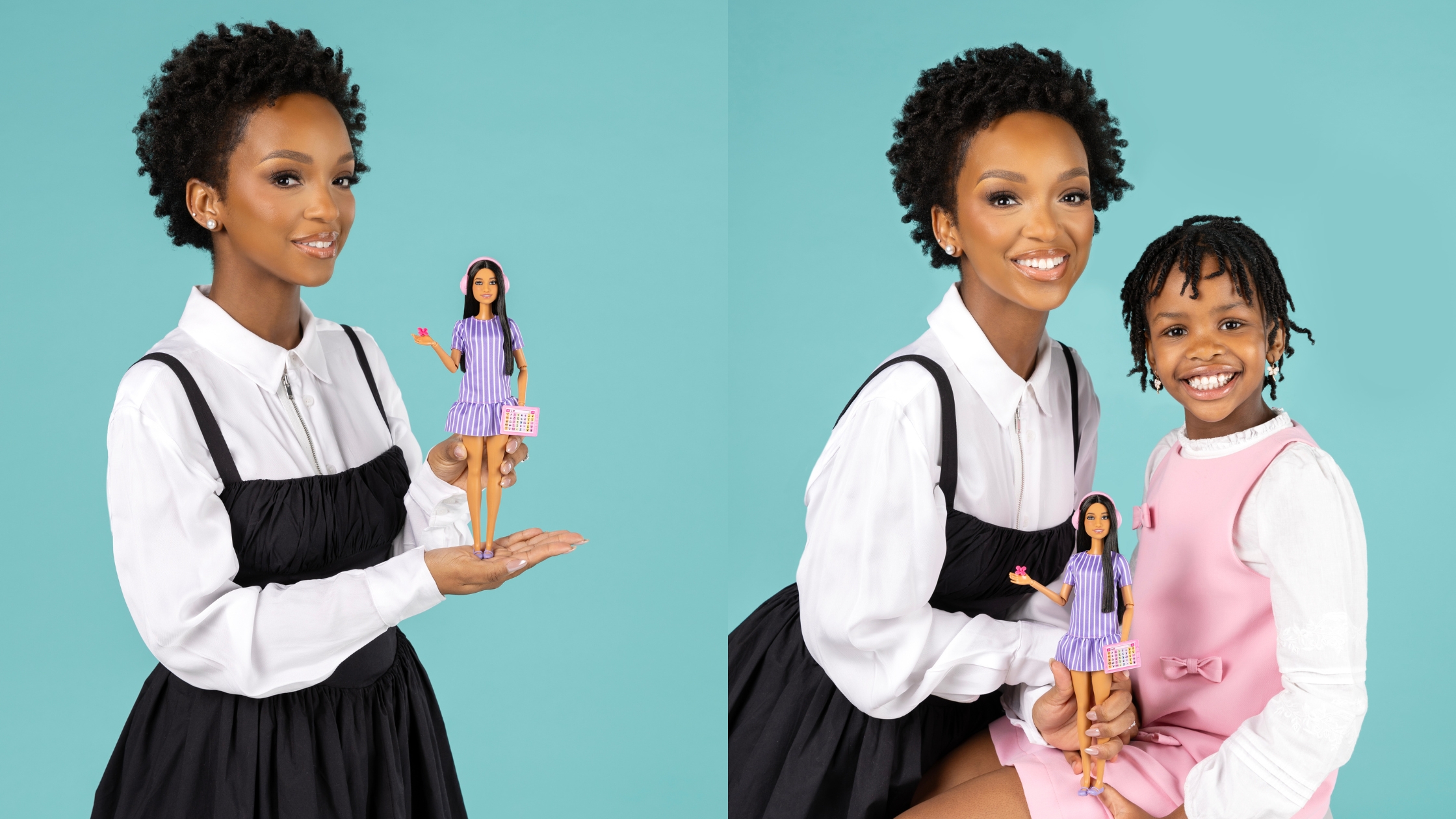
Mattel has officially introduced its first-ever autistic Barbie doll in South Africa, marking a powerful milestone for inclusive representation in toys. The local launch was made especially meaningful through the involvement of South African media personality and autism advocate Nandi Madida, alongside her daughter Nefertiti, who has autism.
Developed With the Autistic Community
The autistic Barbie was developed in collaboration with the Autistic Self Advocacy Network (ASAN), ensuring the doll authentically represents autistic experiences. The process focused on joy, dignity, and everyday realities, rather than stereotypes, reinforcing Mattel’s commitment to meaningful inclusion.
Why This Launch Matters Locally
For South African families, visibility remains a critical challenge when it comes to autism awareness and acceptance. Nandi Madida’s participation in the launch brought a deeply personal and relatable perspective, helping to normalise conversations around autism and representation.
Madida has openly shared her journey as a mother raising a neurodivergent child, and her daughter Nefertitti’s involvement in the campaign symbolised progress toward a more inclusive future, one where autistic children are seen, valued, and celebrated.
Design Features Rooted in Real Experiences
The autistic Barbie includes articulated elbows and wrists that allow expressive movements often associated with self-regulation. A slightly averted eye gaze reflects how some autistic individuals interact socially, while sensory-supportive accessories include a pink fidget spinner, noise-cancelling headphones, and a tablet featuring Augmentative and Alternative Communication (AAC) apps. These elements reflect tools many autistic children use daily for comfort, focus, and communication.

Sensory-Friendly Fashion
The doll wears a loose-fitting purple pinstripe dress paired with flat purple shoes, designed with sensory comfort in mind. According to Mattel, the outfit balances comfort with style, reinforcing that accessibility does not mean compromising on self-expression.
Representation That Builds Empathy
Colin Killick, Executive Director of ASAN, has emphasised the importance of autistic children seeing joyful and authentic representations of themselves. In the South African context, this message resonates strongly, as representation plays a vital role in reducing stigma and fostering understanding.
For non-autistic children, the doll becomes a tool for learning empathy, compassion, and acceptance through everyday play.
A Step Forward for Inclusive Childhoods
Now available at major retailers, the autistic Barbie stands as a reminder that representation matters, especially when it reflects real families and real stories. With Nandi Madida and Nefertiti at the centre of the South African launch, Mattel’s latest Barbie sends a clear message: every child deserves to feel seen, on the shelf and in society.