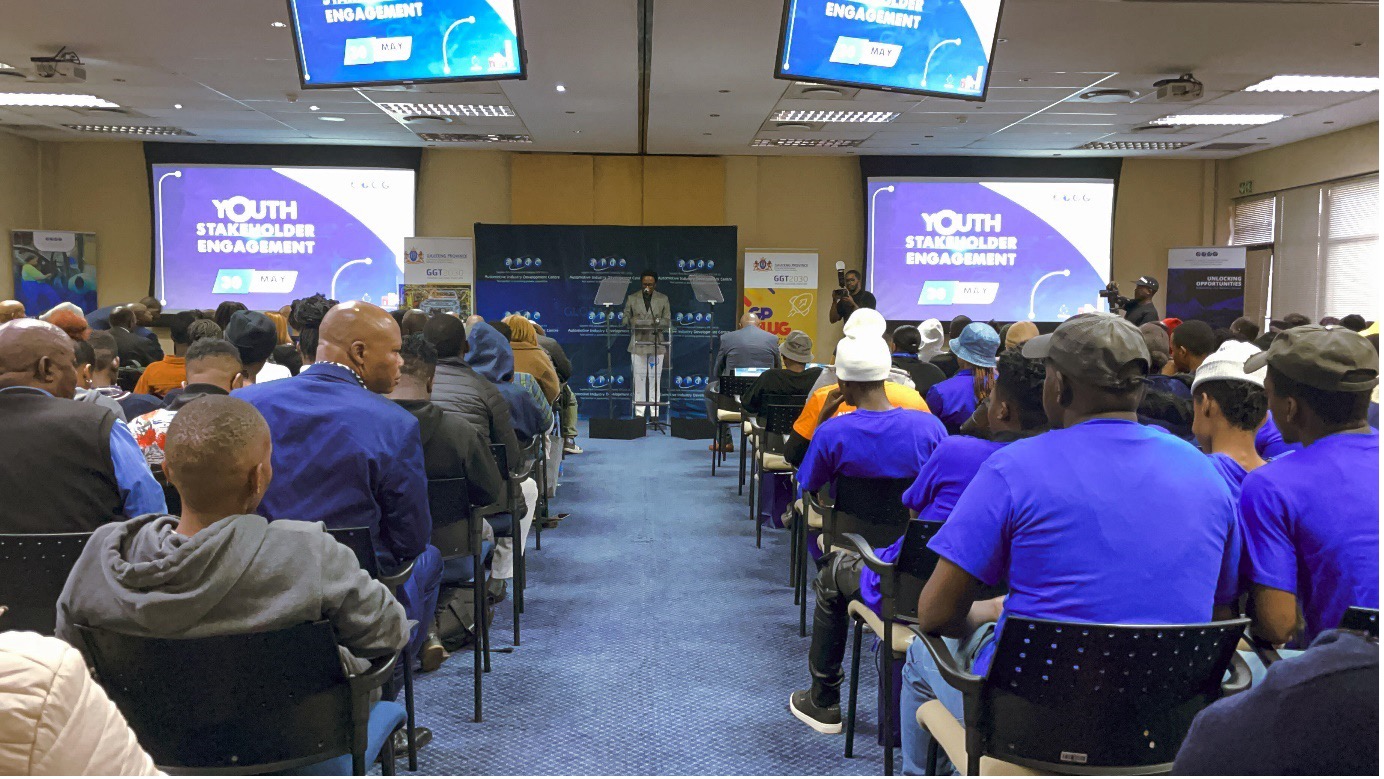
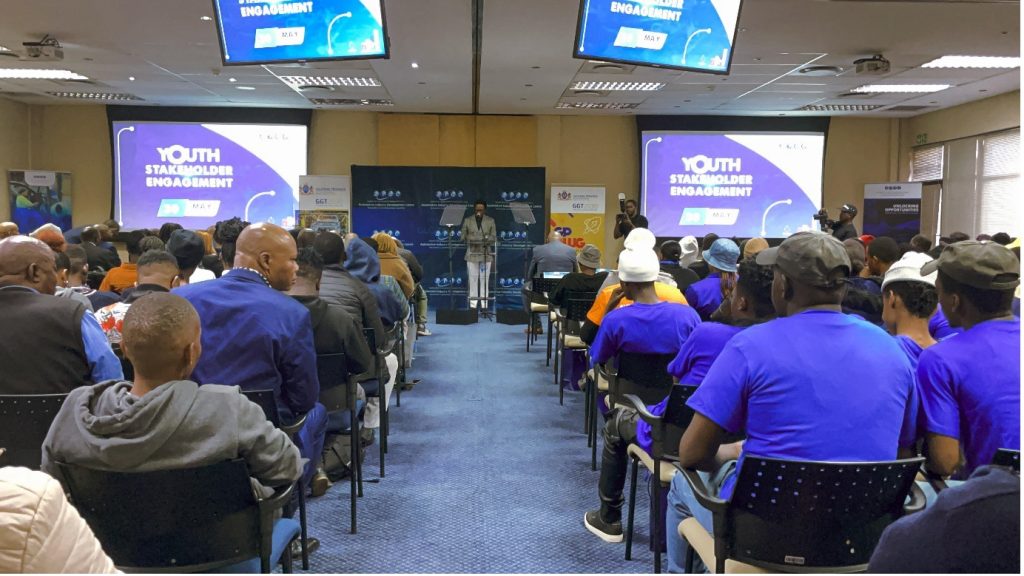
The Youth Stakeholder Engagement 2025, hosted by the Automotive Industry Development Centre (AIDC) in collaboration with the Gauteng Growth and Development Agency (GGDA) on May 30th, marked a pivotal moment for youth empowerment and industrial transformation in South Africa. With 180 vibrant youth delegates, government officials, and business representatives in attendance, the event provided a strong forum for discussing career paths and business development, whilst emphasizing the growing significance of inclusive strategies that empower young South Africans to take the lead in shaping the economy of the future within the automotive and allied industries.
Amidst the framework of Gauteng’s push for sustainable development and innovation, this significant engagement was a call to action rather than just a conference.
Youth at the Wheel: AIDC and GGDA Partner For Inclusive Industrial Growth
At the heart of the discussions was a strong focus on the urgent need to equip young South Africans with the skills and opportunities necessary to thrive in an evolving industrial economy. With the automotive sector playing a central role in Gauteng’s economic development, empowering the youth through relevant training and exposure has become a strategic priority.
Andile Africa, CEO of the AIDC, delivered a powerful message, being that “the youth are the future – but more importantly, skilled youth are the future.” He highlighted that investing in skills development is not merely an educational endeavour, but a foundational pillar for the sector’s sustainability. Africa further expressed concern over Gauteng’s youth unemployment rate, which currently hovers at 32.9%. He warned that such a rate can lead to unintended consequences, including rising crime, substance abuse, and social instability. Providing young people with high-level, industry-relevant expertise, particularly in areas such as automotive manufacturing and engineering, not only creates sustainable livelihoods but also serves as a proactive plan to divert youth from harmful environments. This approach aligns with South Africa’s broader development goals, where the youth are not simply beneficiaries but active co-creators of economic change.
To ensure that youth empowerment efforts were grounded in inclusivity and impact, the AIDC implemented a targeted selection process for the 180 youth delegates. According to Salome Mashishi, the Technical Skills Facilitator at the AIDC, the focus was placed on schools actively engaged in automotive-related programmes. Geographically, representation was drawn from a broad range of townships and communities within the City of Tshwane, including Atteridgeville, Mamelodi, Ga-Rankuwa, Soshanguve, Mabopane, and the Lethabong School of Specialisation. The aim was to include youth from historically underserved areas with untapped potential.
Importantly, the AIDC extended to young people outside the formal school system through a partnership with Kgabo Cars, a technical training provider that works specifically with technical learners who were unable to complete their matric. This tactical collaboration ensured that the programme reached a broader spectrum of youth, including those with practical skills but with limited academic access, reinforcing the commitment to inclusive development and social impact.
Public Leadership Joins Forces for Youth Empowerment
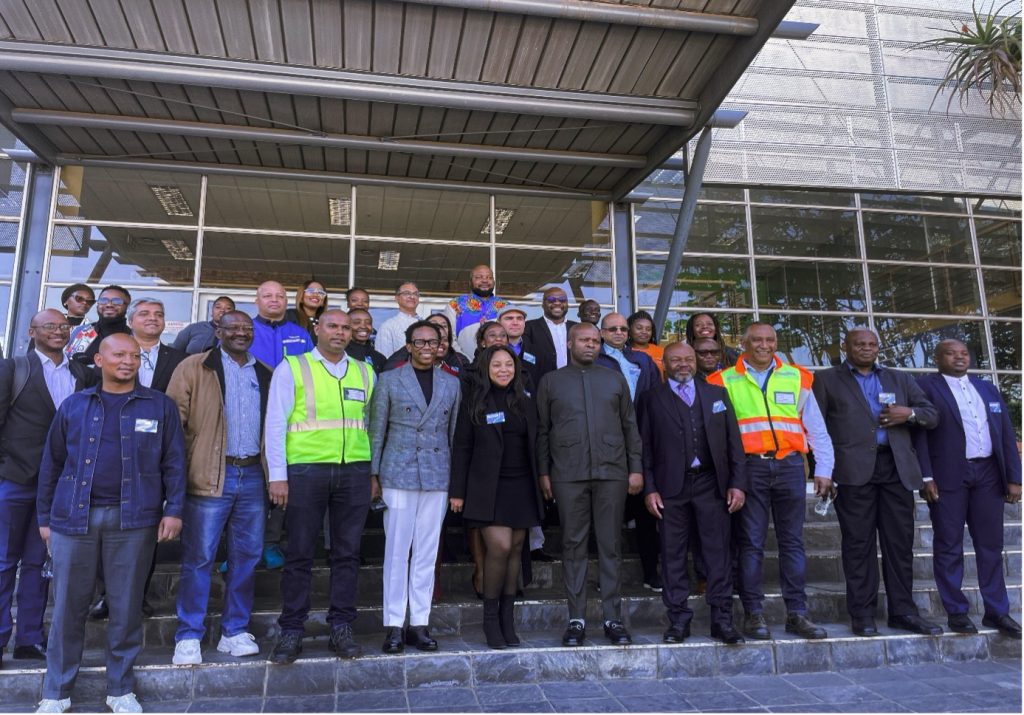
MEC and VIPs
In commemoration of Youth Month, the ADIC, GGDA, public leadership, and the industry titans (stakeholders) all aimed at inspiring young people by showcasing real opportunities within the automotive and related sectors. Together with a shared vision of actively involving the youth. It is said by all the above that young people bring fresh ideas, creativity, and the potential to seize emerging opportunities. By investing in their training and development, the foundation is laid for a stronger, more dynamic future for the industry and the economy at large.
The MEC for Finance and Economic Development, Hon. Lebogang Maile, stated in his keynote address that the automotive industry in South Africa has shown remarkable resilience. Despite economic restrictions and expectations, retail car sales soared to 42,401 units in April 2025, and a 11.9% year-over-year rise. Considering the present state of the economy, this growth is very noteworthy. The nation has seen several economic challenges, ranging from local issues such as the growing cost of development assistance and additional export duties. The automobile industry has remained stable in the face of these challenges, maintaining its position as a pillar of industrial stability and expansion.
One of the most effective instances of the post-apartheid industrial policy is the automobile sector in South Africa. The industry changed from having almost no exports before 1995 to becoming a major player on the world stage, according to economist Shepherdson. Over 6 million automobiles were exported from 1995 to 2023 under the Motor Industry Development Program (MIDP), the Automotive Production Development Program (APDP), and APDP Phase 2. These policies established the foundation for inclusive growth and employment along the value chain, in addition to giving South Africa a competitive edge in the global market. Therefore, in light of the policy success and economic resilience, the MEC highlighted that this report adds value and context to what the future holds for employment and opportunities for the youth in the automotive sector.
Voices Of the Future: Youth and Stakeholders Co-Creating South Africa’s Industrial Path
As part of their commitment to promoting entrepreneurship, the AIDC places the youth in established companies to gain industry experience, while also supporting them in launching their own businesses. To further motivate learners, the organisation invited key stakeholders such as the University of Johannesburg, which conducted a live engine stripping demonstration, and Chrisneisa, who presented an electric vehicle (EV) model, to illustrate what is possible through education, innovation, and collaboration.
Along with career kiosks and booths, other stakeholders were also present, showcasing possibilities, skills, needs, bursaries, and learnerships not only through presentations but through one-on-one sessions with the learners for further questions and greater comprehension. Among them are Ukwanda Okukhula, Ford, BMW, Mahindra, Chinese companies, SA Youth, and Nissan.
According to a few students who attended the event, they felt that the initiative had not only helped but also inspired them, because as automotive students, they might not have all the resources necessary to get to their desired destination, and some do not meet the requirements to pursue such a career whilst being extremely passionate and intrigued by it. Therefore, this event was a platform to not only assist them in understanding that they do have opportunities regardless of their circumstances, and that they can get multiple helping hands in whatever skill they are good at.
Additionally, the AIDC runs several flagship programmes aimed at building a proficient and employable workforce. Among these is the incubation programme, which identifies young individuals with foundational skills-particularly in engineering or industrial engineering, and connects them with tier 1 suppliers and OEMs for practical exposure. The centre also runs the Gauteng Automotive Learning Centre, which offers hands-on training in essential trades such as welding, panel beating, spray painting, and boiler making, with annual intakes providing continuous opportunities for the youth to enter the sector. With new enrolment cycles approaching, interested candidates are encouraged to monitor the AIDC’s social media channels, traditional media, and official website for upcoming announcements.