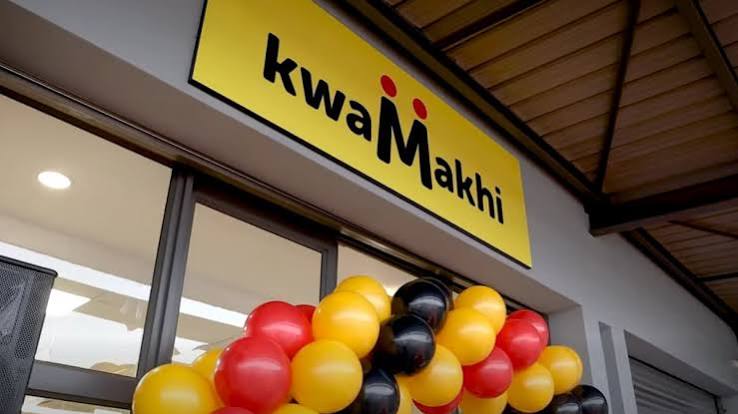
Clicks has opened the doors on its first KwaMakhi stores, a new retail format designed to compete more directly with the likes of Shoprite and Boxer in South Africa’s township economy. The first outlet launched in Tembisa, northeast of Johannesburg, marking Clicks’ boldest move yet into a market long dominated by informal traders and value-focused grocery chains.
What the New KwaMakhi Stores Offer
The KwaMakhi stores are built around a simple idea: a shop within walking distance of home, where shoppers can grab everyday essentials the way they might pop next door to borrow sugar, without paying for a taxi to the nearest mall. The name itself roughly translates to “at my neighbour’s” in several local languages, reflecting that neighbourhood-first positioning.
Clicks Chief Executive Officer Bertina Engelbrecht said the plan for the KwaMakhi stores is to compete on price, quality, and convenience. Unlike traditional Clicks outlets, the new format skips pharmacies and clinics altogether, focusing instead on a tighter, community-tailored range.
Size is one of the biggest differences setting the KwaMakhi stores apart from Clicks’ mainstream retail footprint. Typical KwaMakhi stores measure between 280 and 350 square metres, compared to the 550 to 1,500 square metres used by standard Clicks branches. That smaller footprint is designed to fit into township environments where large-format retail has struggled to gain a foothold.

Why Clicks Is Targeting the Township Economy
South Africa’s township economy is estimated to be worth around R900 billion a year, and Clicks believes the KwaMakhi stores can tap into spending that has proven resilient even as growth slows elsewhere in retail. Grocery giants such as Shoprite have simultaneously been pushing into health, beauty, and personal care — categories where Clicks has traditionally held the advantage — adding urgency to the launch.
Engelbrecht pointed out that lower-income consumers often end up paying more for goods than wealthier shoppers, a pattern the KwaMakhi stores are specifically designed to correct. Clicks has identified roughly 2,000 potential locations that its traditional stores can’t currently reach, even before accounting for areas where no organised retailer has established a presence at all.
How the KwaMakhi Stores Will Operate Differently
Rather than relying on the discount-heavy approach used in standard Clicks branches, the store will run on an everyday low-pricing model, paired with smaller pack sizes for customers who may not have the cash on hand for bulk purchases. About 30% of the initial product range is private label, with that share potentially rising to 40% over time.
Refill stations for items like creams and other personal-care products are planned to roll out at from around October, adding another way for shoppers to save. Clicks has earmarked R30 million for an initial ten-store “discovery phase” running through February, with each store expected to reach break-even within a year.
What’s Next for KwaMakhi
Clicks plans to have ten KwaMakhi stores trading by the end of the year, with profitability expected to improve once the format starts drawing on Clicks’ distribution centres after a warehouse-system upgrade early next year. Engelbrecht has also called for regulators to do more to ensure informal competitors follow the same rules on product standards, minimum wages, and tax — a factor that could shape how aggressively Clicks scales the KwaMakhi stores concept in the years ahead.

The Bigger Picture for South African Retail
The launch of the KwaMakhi stores fits into a broader story about how South African brands are trying to win over township consumers—a market that Pat on Brands has explored before in 10 Brands That Black South Africans Use as Generic Names for Products.
Full details on the KwaMakhi stores launch and Clicks’ expansion strategy were first reported by BusinessTech.