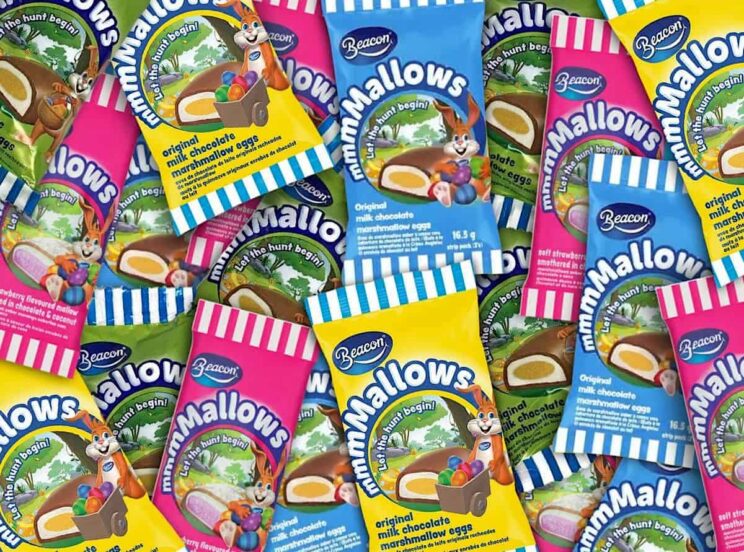
For generations of South Africans, Tiger Brands Beacon Easter eggs and chocolate slabs have been synonymous with festive celebrations and childhood memories. However, as consumer preferences evolve and competition intensifies, even iconic brands are not immune to strategic review.
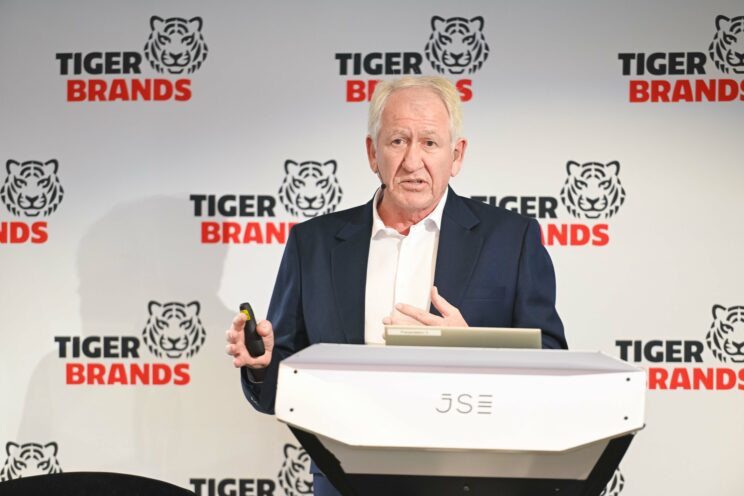
Tiger Brands has announced the disposal of its Beacon Easter eggs and chocolate slabs businesses, including the Beacon brand itself, marking another significant step in the group’s ongoing portfolio simplification strategy under CEO Tjaart Kruger.
While the company has not disclosed the buyer, it has recognised an impairment of R92 million related to the transaction. The impact is expected to be offset by a profit from the sale of the Durban manufacturing facility where the products are currently produced.
A Strategic Shift Away from Seasonal Categories
The decision reflects Tiger Brands’ increasing focus on categories that offer stronger year-round growth opportunities and better profitability.
Beacon’s Easter egg business is highly seasonal, generating sales within a limited annual window. In contrast, Tiger Brands is prioritising brands and product categories that align with its broader “snackification” growth strategy and provide more consistent consumer demand throughout the year.
Importantly, the company will retain several well-known confectionery brands, including TV Bar, Nosh, Wonder Bar, Jungle Energy Bar, and chocolate variants of Black Cat and Jelly Tots.
According to CFO Thushen Govender, the Jungle Bar brand has become one of the top three countlines in South Africa, contributing positively to both sales growth and profitability.
The Challenge of Keeping Legacy Brands Competitive
The sale also highlights the realities facing heritage brands in increasingly competitive markets.
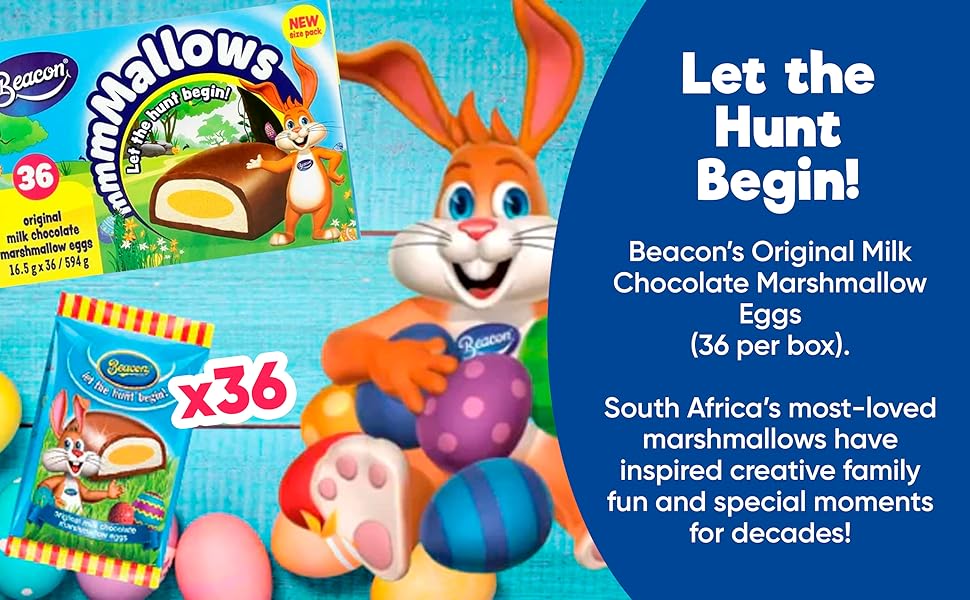
Beacon, a 95-year-old South African brand, became part of Tiger Brands through a phased acquisition completed in 1998. Over the years, the business expanded to include successful confectionery brands such as Maynards, mmmMallows, Liquorice Allsorts and Sparkles.
However, the chocolate category has become increasingly dominated by multinational players such as Mondelēz International and Nestlé.
Kruger previously acknowledged that Tiger Brands had not significantly upgraded its chocolate manufacturing equipment in more than three decades, placing the business at a competitive disadvantage in terms of production efficiency and innovation.
The disposal therefore represents not only a portfolio decision but also an acknowledgement of the substantial investment required to remain competitive in modern chocolate manufacturing.
Simplifying Operations in Durban
The transaction comes amid a broader operational restructuring effort.
Tiger Brands is currently consolidating three manufacturing facilities within its Snacks, Treats and Beverages division into a single Durban operation. The process is particularly complex, given that the company must continue producing jellies, candy and marshmallow products while simultaneously divesting portions of the business.
Despite the operational challenges, the division remains a significant contributor to group performance. During the first half of the financial year, it generated 18% of Tiger Brands’ revenue and delivered operating profit of R505 million, outperforming the grains division on profitability.
Building a More Focused Brand Portfolio
The Beacon disposal is the latest move in a two-year programme aimed at streamlining the business and sharpening management focus.
Recent disposals have included the baby wellbeing division, several personal care brands, the Randfontein maize and wheat milling facility, Langeberg & Ashton Foods, Chilean associate Carozzi, Chococam, as well as the niche Game and Monis brands.
The strategy reflects a deliberate effort to concentrate resources behind fewer, stronger brands capable of delivering sustainable growth and market leadership.
Following these portfolio changes, Tiger Brands now has 15 major brands at the centre of its growth strategy, including Albany, Tastic, Koo, All Gold and Oros.
According to the company, 11 of these brands hold the number one position in their categories based on brand equity, while most are category leaders by volume.
The New Discipline of Brand Stewardship
At the heart of Tiger Brands’ transformation is a philosophy centred on disciplined brand management.
Kruger has repeatedly emphasised that simplification is not merely about reducing the number of brands but about ensuring the organisation remains focused on the areas that create meaningful value for consumers and shareholders.
His view that brands ultimately belong to consumers rather than the companies that own them reflects a growing recognition among marketers that relevance, rather than heritage alone, determines long-term success.
In an era where consumer expectations shift rapidly and investment capital must be carefully allocated, Tiger Brands’ decision to let go of Beacon’s chocolate business demonstrates a difficult but increasingly common reality: even iconic brands must justify their place within a modern growth portfolio.
Lessons for Brand Leaders
The Beacon sale offers several lessons for brand custodians and marketers.
First, nostalgia does not guarantee future competitiveness. Second, brand heritage must be supported by continuous investment and innovation. Third, portfolio discipline often requires difficult decisions about where resources can generate the greatest return.
For Tiger Brands, the disposal marks another step towards becoming a more focused, agile organisation built around category leadership and consumer relevance. Whether the strategy ultimately delivers the growth the company seeks remains to be seen, but it is clear that the era of managing sprawling portfolios for their own sake is coming to an end.
Read more: Tiger Brands Reveals First Major Rebrand in 25 Years Following Strong 2025 Financial Results