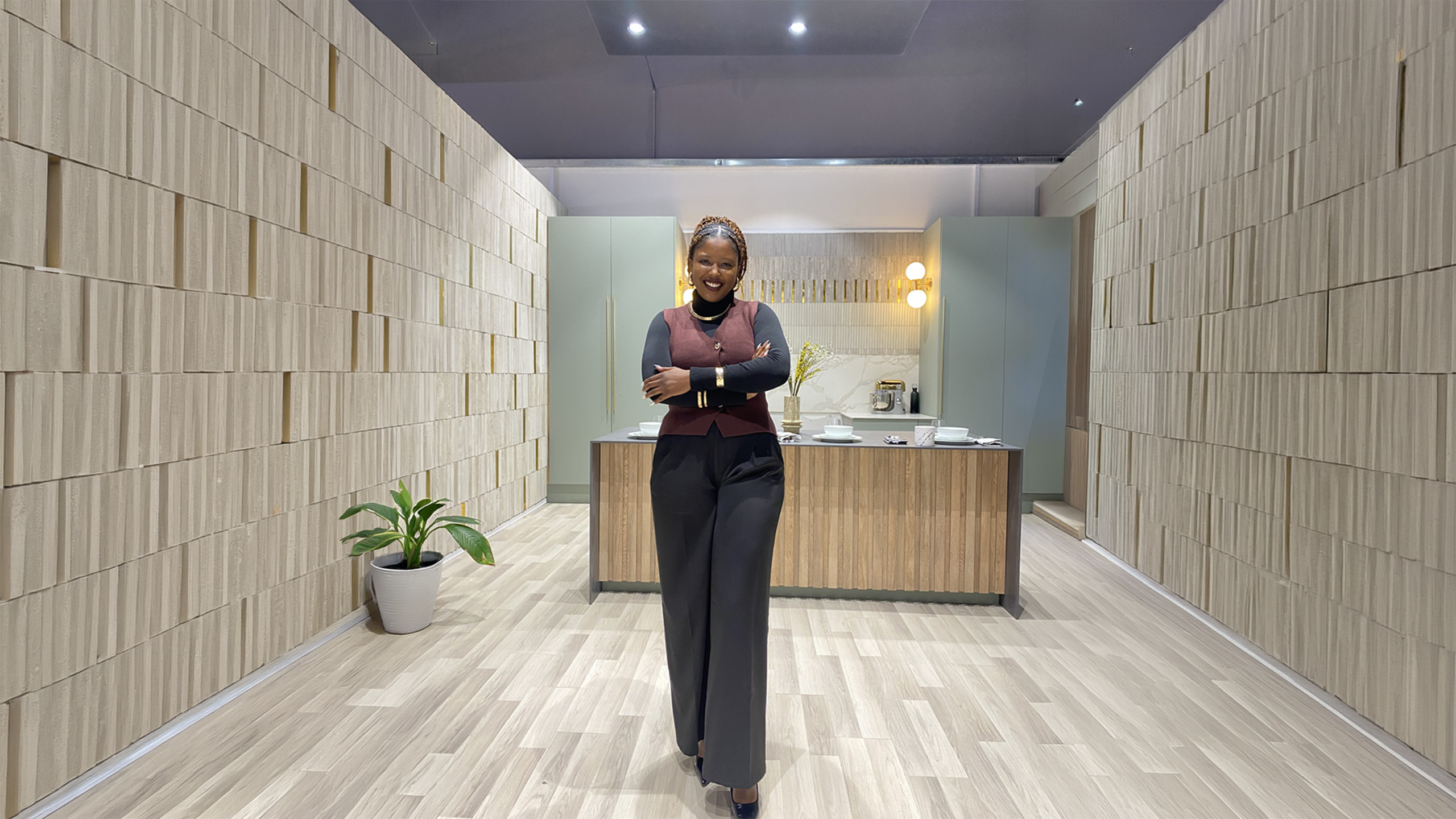
There’s a quiet confidence in the way Nomathamsanqa Ndzungu speaks about brand building. Not loud. Not rehearsed. Grounded. Thoughtful. Clear.
She is currently an Assistant Brand Manager at RCL Foods, working on the Sunbake portfolio — but at her core, she’s something deeper than a job title.
“I love understanding people,” she says. “What they value. What influences their choices. What makes a brand meaningful in their lives.”
For her, brand building lives at the intersection of creativity, strategy and culture — and that’s exactly where she feels most alive.
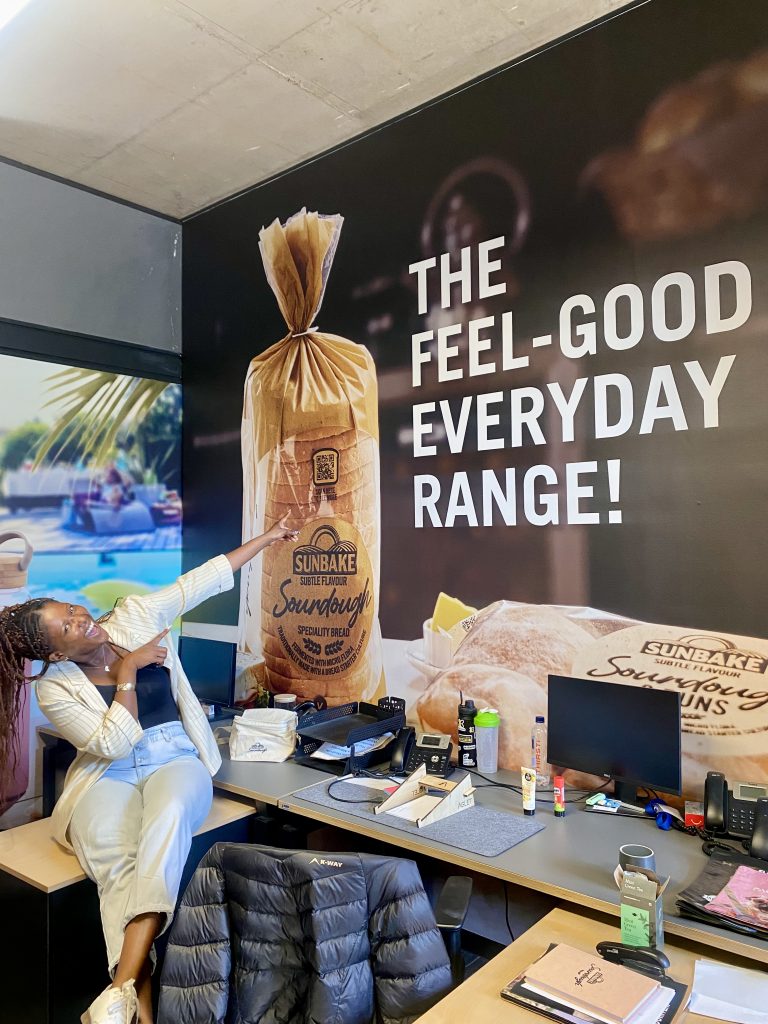
The Origin Story: Nomathamsanqa Ndzungu
Nomathamsanqa didn’t start in marketing. Her career began in agribusiness — a space that, on the surface, feels far removed from campaigns and cultural moments.
But it was there that something clicked.
She found herself fascinated by the why behind decisions. Why people choose one product over another. Why certain brands feel trusted. Why emotion often wins over logic.
Her curiosity kept pulling her closer to brand teams. And once she saw how insight could shape culture, spark emotion and bring people together, she knew it wasn’t just a pivot.
It was alignment.
Marketing wasn’t a career move. It was a calling.
The Work: Strategy, Spreadsheets & Storytelling
If you think brand management is just about ads and Instagram posts, think again.
Her days are a balance of performance reviews and creative brainstorms. One moment she’s deep in data, tracking how the brand is performing. The next, she’s collaborating with agencies, creatives and cross-functional teams to bring ideas to life.
She manages campaigns, digs into consumer insights, supports trade marketing initiatives, and ensures the brand shows up consistently across every touchpoint.
But one of the most underrated parts of her job? Internal brand love.
“A brand doesn’t grow if the people inside the organisation don’t believe in it,” she explains. Building ambassadors internally is just as important as influencing consumers externally.
It’s spreadsheets. Brainstorms. Influence. And constant alignment — all in service of keeping the brand culturally relevant and commercially strong.
A Moment Nomathamsanqa Ndzungu is Proud Of
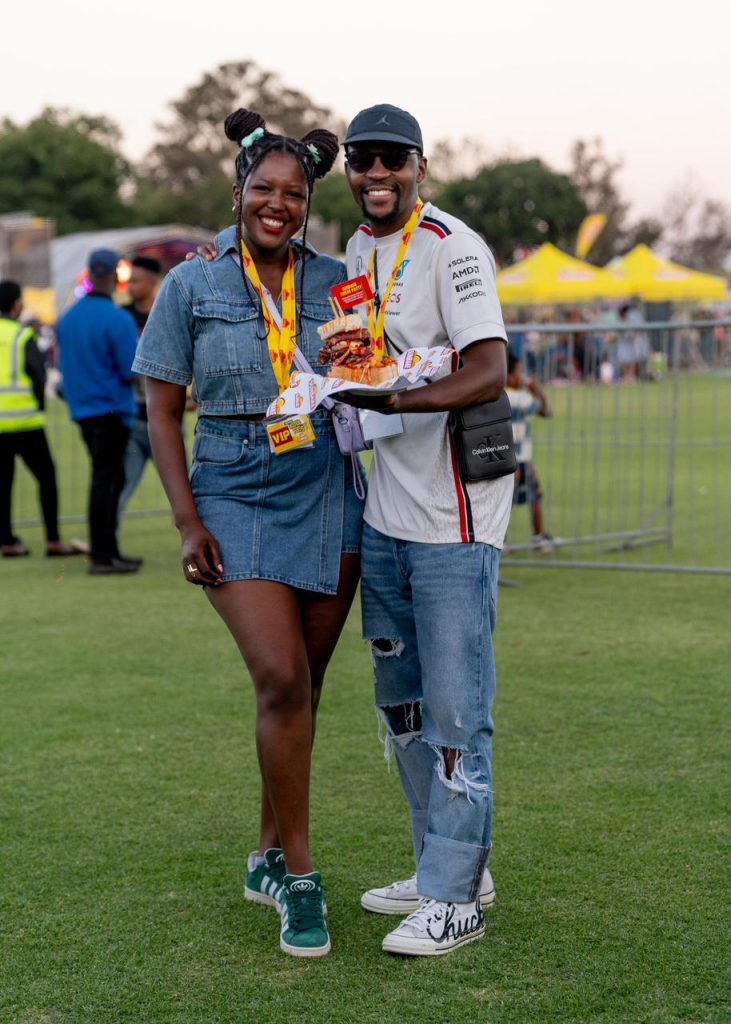
In 2025, Nomathamsanqa led Sunbake’s first-ever Kota Festival — a bold cultural activation rooted in local relevance.
But what made it powerful wasn’t just the event.
It was the thinking.
The work was grounded in real consumer understanding. It required collaboration across teams. And it demanded a culturally authentic presence — not just a logo on a stage.
The biggest lesson?
“If influencing non-marketers starts to feel frustrating, it’s usually because the vision isn’t sharp enough yet. A clear vision brings people with you.”
That insight says everything about how she leads.
Building Brands in South Africa
Nomathamsanqa’s biggest insight about the local market is simple — and profound:
South Africans don’t buy brands.
They buy belonging.
Belonging, she says, is earned through four things:
- Honouring culture
- Showing up with authenticity
- Co-creating instead of speaking at people
- Treating community as strategy — not just a channel
In this market, relevance isn’t built around people. It’s built with them.
And that changes everything.
What Brand Building Really Means
Beyond logos and campaigns, she sees brand building as creating meaning — a feeling or belief that people attach to your business.
It’s the emotional glue between company and consumer.
A strong brand shapes behaviour long before purchase. It walks the journey with its audience. It shows up consistently. It delivers on its promise — every single time.
That’s the real work.
Brands She Admires
Globally, she looks to Heineken — a brand that maintains a strong global identity while adapting to local cultural nuances. Few brands manage that balance of consistency and contextual relevance so well.
Closer to home, Capitec stands out. From challenger to industry leader, Capitec built its entire proposition around a deep consumer insight — and never wavered from it.
Both brands prove the same point: clarity wins.
Creativity vs Commercial Pressure
When asked how she balances creativity with business pressure, she laughs.
“With tears. Hahaha — jokes.”
Her real answer is more strategic: ground creativity in insight.
When an idea is rooted in real human truth and aligned upfront with business objectives, creativity stops being risky — and starts being a growth driver.
“Data shows the ‘what’. Creativity explains the ‘why’.”
That balance is where great brand managers earn their stripes.
The Hardest Part of Being Young in the Room
Influencing without authority.
Having ideas, insight and energy — but not always the formal power to make decisions — has been one of her biggest growth edges.
Learning to communicate with confidence. Backing herself with data. Building credibility over time.
That’s been the real leadership training.
A Mistake That Shaped Her
Early on, she waited until she was 100% sure before speaking.
She learned the hard way that silence slows growth.
“Imperfect ideas spark collaboration. And sometimes, the room needs the idea you’re afraid to say.”
That’s wisdom most professionals only learn years later.
The Skills That Future-Proof a Brand Builder
According to Nomathamsanqa, the essentials are:
- Consumer insight literacy
- Digital fluency
- Comfort with data and analytics
- Cross-functional influence
- Commercial and financial understanding
- Storytelling and strategic thinking
- Curiosity — the skill that keeps all others alive
She credits mentors like Watson Matsa and Sydney Mandaza for challenging her, trusting her and teaching her to see herself as a leader — not just a coordinator.
Looking Ahead
In the next 3–5 years, she sees herself stepping into a Brand Manager role — leading end-to-end strategy and building brands that matter.
Whether she stays in food or pivots industries, one thing is certain: she wants to create work that shifts culture, not just markets to it.
Her ambition isn’t just growth. It’s impact.
Advice to the Next One Up
Her message to aspiring brand managers is clear:
Be curious.
Learn your consumer deeply.
Understand the business behind the brand.
Experiment.
Build relationships.
Ask better questions.
Back yourself with facts.
“Brand building is 50% strategy, 50% courage.”
And the courage part? That’s what separates the good from the great.
Rapid Fire
- Biggest career lesson so far: Your confidence must match your competence.
• Best advice you’ve received: You don’t need permission to lead.
• One book/podcast every brand builder should know:
Book: Rooted & Rising by Thebe Ikalafeng and How Brands Grow by Byron Sharp
Podcast: Pat on brands of course and Uncensored CMO by Jon Evans
• One tool you can’t work without: My phone, calendar, bottle of water we’re always on the move, I need to stay hydrated and earphones
Read about out the previous Young Brand Builder