South Africa’s biggest homegrown e-commerce retailer has reached a milestone that many thought would take even longer to achieve. The Takealot Group has reported its first full-year adjusted operating profit since launching in 2011, marking a significant turning point for the company and the country’s broader digital retail industry. The announcement came as parent company Naspers released its financial results for the year ended 31 March 2026.
A milestone years in the making

For years, Takealot prioritised investing in warehouses, delivery infrastructure, technology and customer experience over short-term profitability. That long-term strategy has now begun to pay off. The company reported adjusted earnings before interest and tax (aEBIT) of US$11 million, reversing the US$13 million loss recorded a year earlier. Revenue also surpassed US$1 billion (approximately R17 billion), while gross merchandise value reached US$2 billion, underlining the scale of South Africa’s leading online marketplace.
Winning despite Amazon’s arrival
One of the biggest stories behind the results is that Takealot achieved profitability while facing increased competition from Amazon, which officially launched its South African marketplace in 2024. Rather than losing ground, Takealot continued growing its customer base and defended its leadership position through faster deliveries, improved product selection and greater customer loyalty. According to Naspers, strong order growth and higher margins helped drive the turnaround.
The businesses driving growth
Takealot.com’s core marketplace remained the group’s biggest contributor, generating approximately US$906 million in revenue after recording strong growth in both orders and gross merchandise value. Meanwhile, food and on-demand delivery platform Mr D also remained profitable, growing revenue while continuing to play a key role in the group’s ecosystem. Another emerging growth engine is Takealot Fulfilment Solutions (TFS), which is expanding beyond supporting Takealot’s own operations to provide logistics services to external businesses across South Africa.
Why this matters for brands
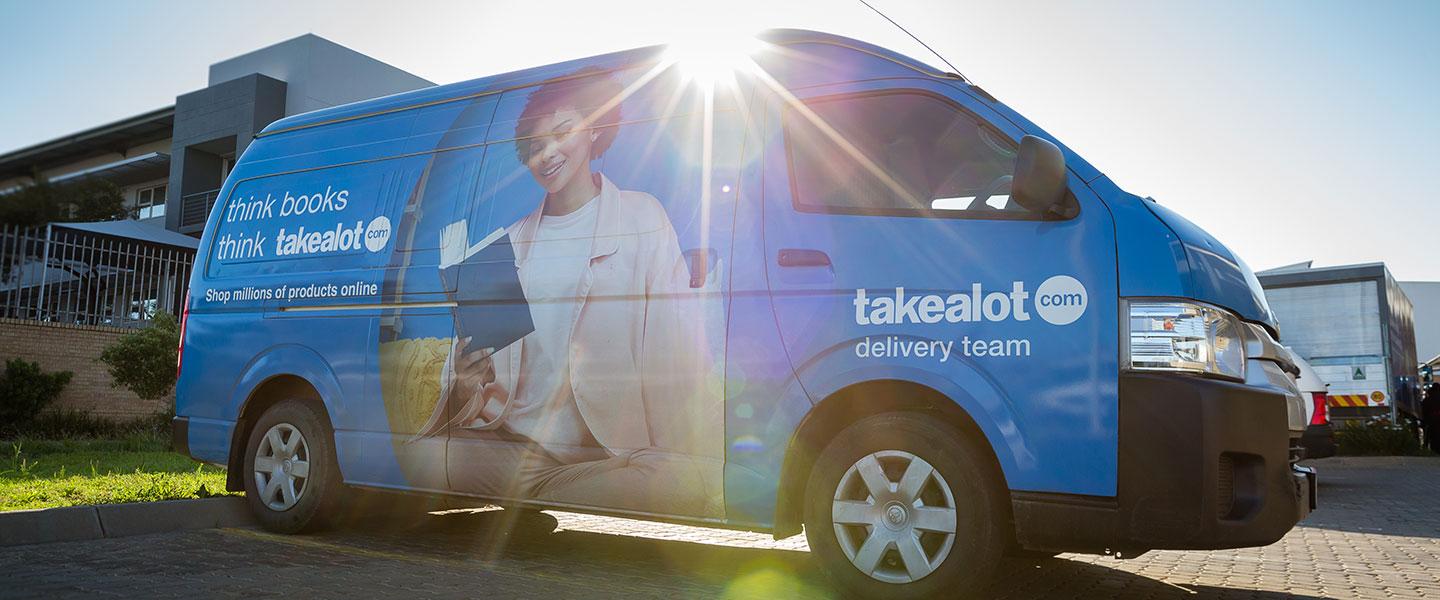
Takealot’s profitability is more than a financial achievement—it signals the maturity of South Africa’s e-commerce market. For brands selling through online marketplaces, the results demonstrate that local consumers are increasingly comfortable shopping online and that investment in digital retail continues to generate returns. It also reinforces the value of retail media, subscription programmes such as TakealotMORE, and integrated logistics as competitive advantages.
As more South Africans embrace online shopping, brands are likely to increase investment in marketplace advertising, sponsored listings and direct-to-consumer strategies.
A win for South African innovation
Unlike many international technology companies that entered the market with global scale, Takealot built its business from the ground up for South African consumers. Over 15 years, it invested heavily in local fulfilment centres, delivery networks and digital infrastructure. Reaching profitability validates that long-term investment strategy and positions the company for its next phase of growth, particularly as it expands its logistics services and competes against global players. For South Africa’s technology sector, it’s a reminder that homegrown digital businesses can achieve both scale and sustainable profitability.
Read more: Takealot Brings E-commerce Jobs to Townships