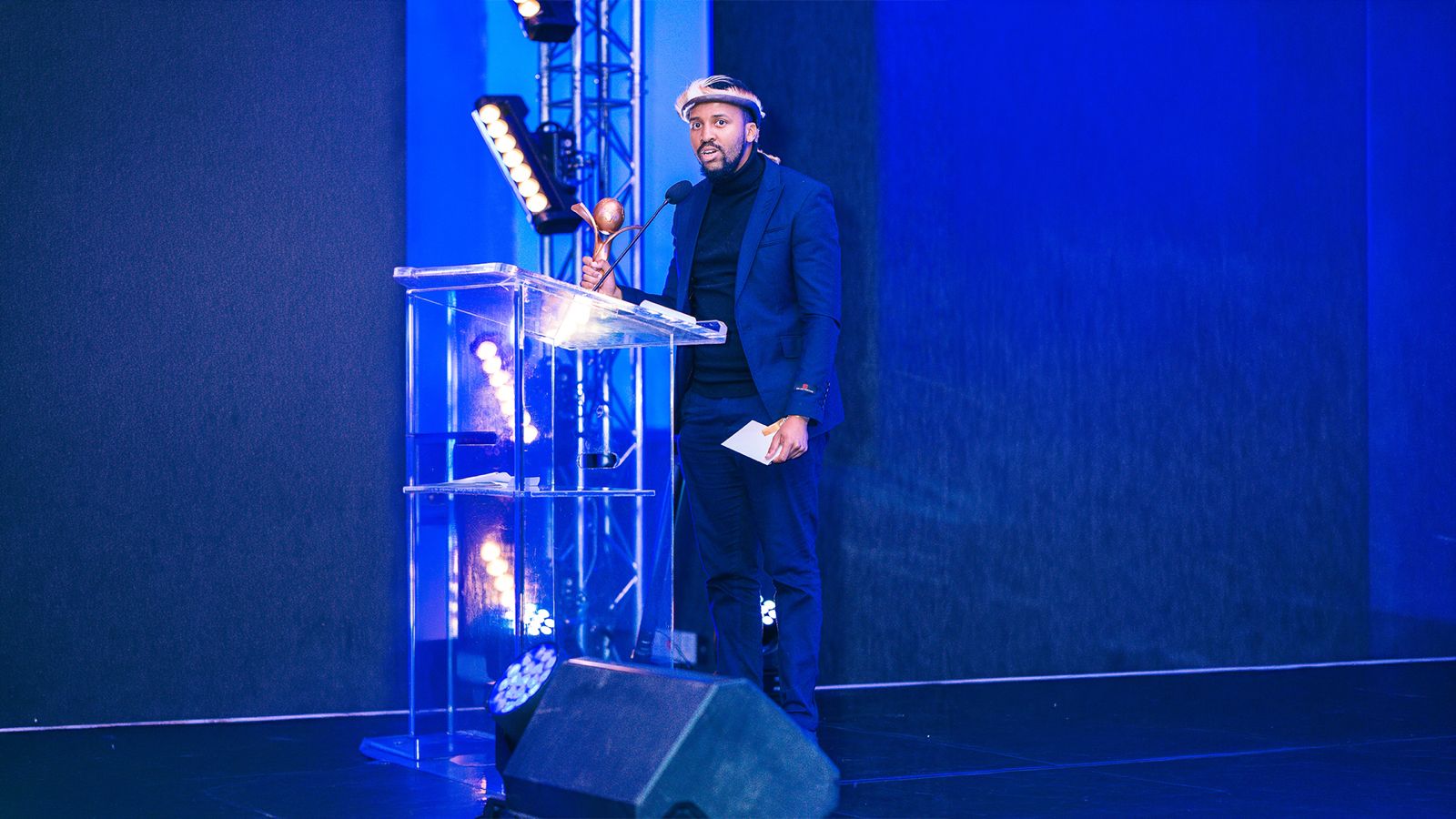
There’s something poetic about Thabang Modiba’s story.
As a child, when sent to the shops, he would return with “Jackson 5” sweets — better known to the rest of South Africa as Cadbury Eclairs. In many homes, Cadbury wasn’t just chocolate. It was memory. It was the Gorilla ad. It was twins singing in unison. It was the “yes/no” chocolate bar that settled debates and sparked awkward confessions.
Today, Thabang is the Category Brand Manager for Cadbury Dairy Milk at Mondelez International, based in Johannesburg.
The brand he once loved from the outside is now the one he protects, grows and evolves from the inside.
And that responsibility is not lost on him.
“My job,” he says, “is to make sure that when someone in South Africa reaches for chocolate, Cadbury isn’t just an option — it’s the first choice.”
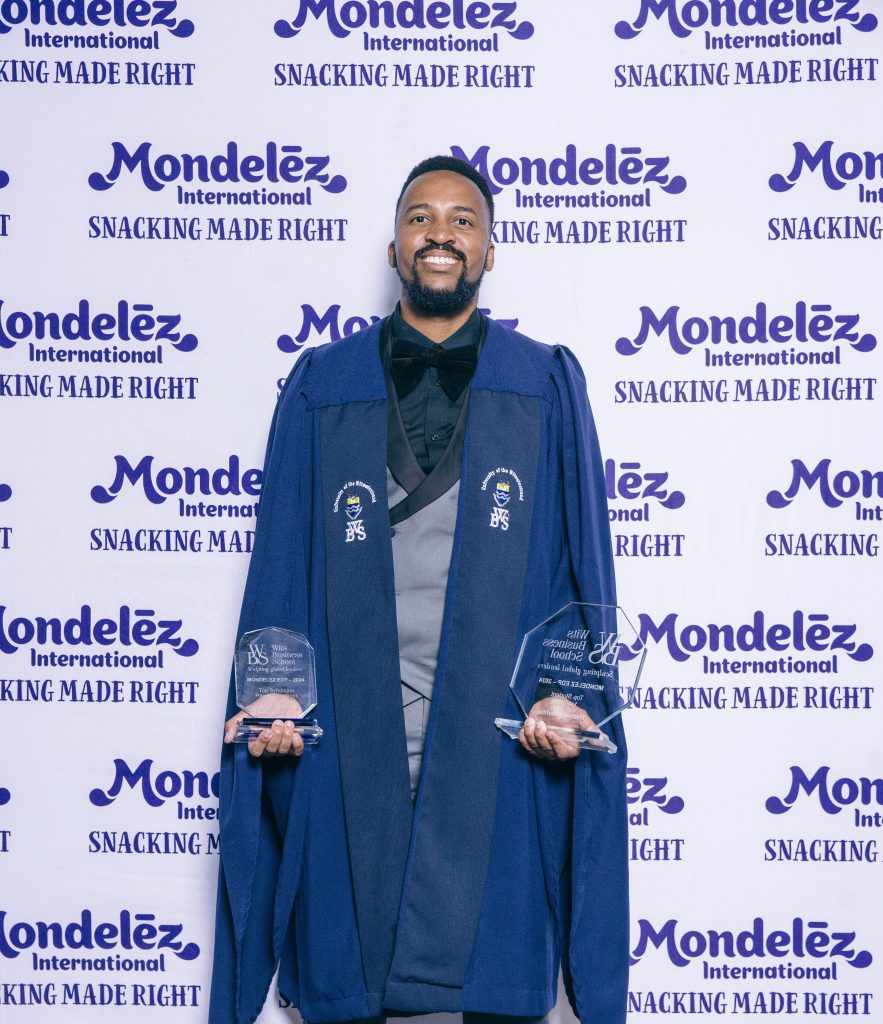
The Origin Story
Brand management wasn’t always the plan.
Thabang discovered marketing during his Honours year at the University of Pretoria. As part of a university assignment, students presented their ideas to real brand managers. That exposure shifted something.
He became fascinated with how brands are positioned, built and grown. Curiosity quickly turned into conviction.
That conviction led him to the graduate programme at Mondelēz International, where he worked on iconic brands like Oreo and TUC.
Hands-on experience removed any doubt: brand management was home.
The Work: More Than Just Marketing
From the outside, brand management can look like campaign launches and creative briefs. In reality, it’s part analyst, part strategist, part diplomat.
Most weeks begin with performance reviews — sales numbers, market share, campaign tracking. Data shapes direction.
From there, it’s campaign development: briefing agencies, refining messaging, reviewing creative, ensuring alignment with long-term strategy. He’s involved from ideation through to in-market execution.
But the job stretches far beyond marketing.
He collaborates closely with CP&A, Sales, Finance and Supply Chain to ensure plans are commercially viable, profitable and executable. Creativity must meet operational reality.
And above all, the consumer sits at the centre of every decision.
“It might look like just marketing,” he explains, “but it’s actually strategy, creativity, analysis and commercial decision-making working together.”
A Campaign That Mattered
One project that stands out in his career is the Cadbury Real Mzansi Names campaign.
The insight was simple, yet deeply human: in a country as diverse as South Africa, names carry identity, pride and culture — yet many people regularly experience their names being mispronounced or shortened for convenience.
Cadbury used its scale to celebrate names exactly as they are meant to be said.
With 12 official languages and layers of cultural nuance, representation matters. The campaign encouraged people to slow down and honour identity — aligning perfectly with Cadbury’s brand platform of connection and generosity.
For Thabang, the power of the work lay in its depth.
“It connected brand purpose with a real human tension.”
It wasn’t just a campaign. It was a conversation.
Building Brands in South Africa
South Africa is not one market. It’s many.
Different languages. Different lived realities. Different socio-economic contexts.
Cultural relevance, Thabang believes, is not optional — it’s foundational.
Consumers can immediately sense when something feels imported or generic. Authenticity requires long-term commitment, not opportunistic participation in trending conversations.
“Long-term commitment builds equity,” he says. “Short-term opportunism damages it.”
That discipline separates strong brands from loud ones.
What Brand Building Really Means
To Thabang, brand building is about building meaning.
It’s staying close to culture and consumers. It’s protecting what makes a brand iconic while evolving it for the next generation.
From a commercial lens, it’s about creating long-term demand.
Strong brands drive pricing power, repeat purchase and resilience — especially in tough economic times. That doesn’t come from one viral campaign. It comes from consistent, strategic investment over years.
Brands He Admires
Globally, brands like Apple, Dove and Nike demonstrate world-class brand building.
But locally, two brands stand out for him.
Nando’s has mastered cultural relevance through humour and social commentary — while remaining consistent in voice and personality.
Then there’s Woolworths, which consistently delivers on its premium and ethical positioning. Even when viral trends tempt short-term engagement, Woolworths chooses alignment over noise.
Creativity vs Commercial Pressure
Balancing creativity and commercial performance begins with insight.
Before reviewing ideas, Thabang ensures he understands the consumer, the market and the business objectives.
Every campaign must pass two tests:
- Does this excite people and feel true to the brand?
- Will it drive growth?
He involves commercial teams early and tracks both consumer response and business impact throughout execution.
“It’s not creativity or commercial sense,” he says. “It’s making sure they work together.”
The Hardest Part of Being Young in the Room
FMCG is fast. Decisions move quickly. Timelines are tight. Stakeholders are many.
The hardest part? Navigating pace and complexity while building credibility.
But those pressures accelerate growth. They sharpen strategic thinking and strengthen accountability.
A Lesson in Humility
One of the most important lessons he learned early on:
Personal experience is not consumer insight.
When managing a brand you grew up loving, nostalgia can blur objectivity. But today’s 18-year-old lives in a different world.
“Nostalgia is powerful,” he reflects. “But it cannot be recycled. It must be reinterpreted.”
Iconic brands don’t replay the past. They translate heritage into present relevance.
The Skills That Future-Proof a Brand Builder
For Thabang, future-proofing means:
- Staying relentlessly curious about culture and consumers
- Being digitally savvy (AI, e-commerce, social media)
- Balancing short-term results with long-term growth
- Collaborating and influencing across functions
- Building resilience
- Remaining solution-driven
Brand management is not just creative — it’s commercial leadership in disguise.
Rapid Fire
Biggest career lesson so far:
The biggest lesson for me is understanding that my role is not just to deliver campaigns. It’s to protect and grow the brand that must outlive me. Which requires courage to say no to misaligned opportunities, conviction to defend brand investment, and humility to keep listening to the consumer.
Best advice you’ve received:
It would have to be “Clarity is your competitive advantage.”
This is so true as we live in a world full of noise, and the brands that win are the ones that are unmistakably clear about who they are, who they serve, and what they stand for.
Complexity confuses but clarity compounds.
One book/podcast every brand builder should know:
Please don’t judge me and think I’m just saying this, but it has to be the Pat On Brands Podcast. This podcast has genuinely shaped how I think as a brand builder.
What I truly appreciate is its practicality and depth with the notable brand leaders and entrepreneurs. These guests provide and discuss insights grounded in real experience, diving into marketing, branding, entrepreneurship, and the stories behind how brands grow and win.
Every episode that I’ve watched always leaves me thinking differently about how to connect meaningfully with people while growing the brands that I manage.
One tool you can’t work without:
I know the question is for one but please allow me to highlight two. So, the two tools I can’t work without are consumer insight tools and Nielsen data.
Consumer insights tools help me understand the “why” behind the numbers. They reveal consumer behaviours, motivations, and unmet needs — the human truths that turn campaigns from being just visible into being meaningful.
Nielsen gives me a clear view of the market — what’s selling, where, and when. It turns assumptions into evidence, showing me exactly how the brand is performing against competitors and where opportunities lie.
Together, these tools allow me to bridge data and empathy, ensuring that every decision is both commercially smart and emotionally resonant. They don’t just guide campaigns — they guide the growth of the brand itself.
Dream brand to work on (local or global):
I really value everything I’m learning within the FMCG industry — this industry has been instrumental in terms of my foundation in brand strategy, consumer behaviour, and market execution. Looking ahead, I’m curious about how these skills could translate into the financial sector. I don’t have a specific brand in mind yet, but it’s an area I hope to explore further down the line in my career.
Looking Ahead
In the next 3–5 years, Thabang sees himself stepping into more senior brand leadership — taking broader ownership of strategy, shaping long-term direction, and strengthening market position.
His long-term ambition? To become a recognized marketing leader — a CMO known for creating sustained commercial impact while remaining authentically consumer-led.
Not just campaigns. Legacy.
Advice to the Next One Up
His advice is simple — but demanding.
Be obsessively curious about people.
Ground decisions in insight, not assumptions.
Learn to make trade-offs.
Protect consistency.
Master influence.
Because brand management isn’t just about creating campaigns.
It’s about shaping brands that outlive you.