South African heritage brands are more than products on supermarket shelves. They are part of our memories, family routines and everyday culture.
From Ouma Rusks and Baker’s Biscuits to Oros, Chappies, Sunlight and Castle Lager, these familiar names have been part of South African life for generations. Some originated locally, while others began overseas but became deeply connected to South African consumers over time.
A heritage brand is generally recognised for its long history, trusted quality, strong identity and emotional connection with customers. In South Africa, that connection often goes beyond the product itself, becoming part of family traditions, popular culture and shared memories.
South African Heritage Brands by Category
Heritage can be found across almost every part of South African consumer life, from food and beverages to household products, retail, financial services and restaurants.
| Category | Examples |
|---|---|
| Biscuits and baked goods | Baker’s Biscuits, Ouma Rusks |
| Chutney and sauces | Mrs Ball’s Chutney, All Gold |
| Breakfast foods | Jungle Oats, Bokomo |
| Maize meal and staples | Iwisa, White Star, Sasko, Tastic |
| Canned foods | KOO, Lucky Star, Bull Brand |
| Dairy and desserts | Clover, Ultra Mel, Amasi |
| Sweets and snacks | Chappies, NikNaks, Wilson’s Toffee, Simba |
| Drinks | Oros, Mageu No 1, Joko, Five Roses |
| Alcoholic drinks | Castle Lager, Carling Black Label, Klipdrift, Amarula |
| Household products | Sunlight, Jik, Handy Andy, Doom |
| Health and personal care | Zam-Buk, Grandpa, Ingram’s |
| Retail and clothing | Ackermans, Edgars, Foschini, Woolworths |
| Finance and insurance | Old Mutual, FNB, Standard Bank, AVBOB |
| Wine and agriculture | Groot Constantia, Nederburg, KWV |
| Restaurants and food service | Nando’s, Wimpy, Steers |
The Brands Behind South African Memories
For many South Africans, the strongest brand memories are tied to simple everyday moments: breakfast before school, family gatherings, weekend shopping, a cold drink on a hot day or a familiar product in the kitchen cupboard.
That is what gives established brands their staying power. Their histories become intertwined with the routines of the people who use them.
Ouma Rusks
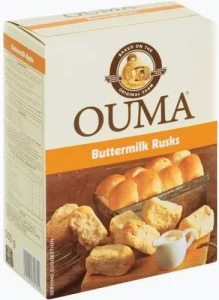
Ouma Rusks is one of South Africa’s most recognisable food brands. Its story began in 1939 when Ouma Greyvenstein baked rusks using a family recipe.
Over the decades, the product became associated with coffee, family visits, holidays and the familiar ritual of dipping an Ouma rusk into a hot drink.
Its appeal demonstrates how a relatively simple food product can develop a strong emotional identity when it becomes part of everyday routines.
Baker’s Biscuits and a Long-Standing Brand Legacy
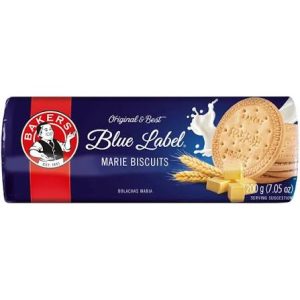
Founded in 1851, Baker’s Biscuits is one of South Africa’s oldest food brands. Products such as Marie biscuits and Choice Assorted have appeared in homes for generations, while the Baker’s Little Man remains one of the brand’s most recognisable visual assets.
Its long history is a reminder that brand heritage is built gradually. Familiar products, distinctive packaging and repeated exposure can turn a food brand into a household name.
Oros and Chappies
Oros and Chappies are strongly connected to South African childhood.
The Oros Man and the brand’s memorable advertising helped make the drink instantly recognisable, while Chappies became famous for the questions printed inside its wrappers.
Both brands show how communication can become as memorable as the product itself. Characters, packaging, humour and advertising helped these names become part of popular culture rather than simply remaining products on a shelf.


Aromat and Sunlight: Adopted Heritage Brands
Not every brand associated with South African heritage originated in the country.
Aromat and Sunlight are two examples of products that developed strong local connections despite having international origins. Aromat became a familiar feature in South African kitchens, while Sunlight’s green soap became closely associated with household cleaning.
Their stories demonstrate that consumer heritage is not always determined by where a brand was founded. Long-term use and cultural familiarity can also give a brand a place in everyday life.


KOO, All Gold and Lucky Star
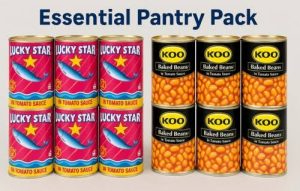
Food staples such as KOO, All Gold and Lucky Star have earned their place in South African homes through convenience, affordability and familiarity.
These brands are often connected to family meals, lunchboxes and practical everyday cooking. Their heritage is rooted not only in longevity, but in their repeated presence in ordinary household routines.
For consumers, that familiarity can make a product feel dependable and recognisable, particularly when it has been part of family life for years.
Castle Lager, Amarula and Nando’s
Heritage is not limited to pantry products.
Castle Lager has become associated with sport, music and social occasions. Amarula connects its brand story to the marula fruit and African identity, while Nando’s represents a more modern form of South African brand heritage.
Nando’s built a distinctive personality through local humour, bold advertising and cultural references before expanding internationally. Its story illustrates how heritage can continue to develop rather than simply looking backwards.


Woolworths, Old Mutual and AVBOB
Retail and financial-service companies can also develop lasting cultural recognition.
Woolworths has built a long-standing association with retail and quality, while Old Mutual and Standard Bank have developed recognition through generations of financial services.
AVBOB, founded in 1915, has built its heritage around trust, community and support during difficult moments.
These examples show that South African heritage brands extend well beyond food and beverages. Companies can become familiar parts of people’s lives when their services remain present across generations.


Local Brands and Adopted Heritage: Understanding South African Heritage Brands
Not every brand associated with South Africa started here.
Aromat originated in Switzerland, Sunlight was founded in England, Kiwi began in Australia and Zam-Buk was formulated in England. However, these brands became part of South African consumer culture through generations of local use.
This makes it useful to distinguish between three ideas:
- South African brands: Brands founded or developed in South Africa.
- South African heritage brands: Brands with a long-standing cultural connection to South African consumers.
- Proudly South African brands: Brands recognised for their local ownership, production or development.
These descriptions can overlap, but they do not mean exactly the same thing.
Why South African Heritage Brands Still Matter
Long-standing brands can benefit from something newer brands have to build from scratch: familiarity.
Consumers may associate established names with childhood memories, family traditions, particular occasions or products they have used for years. That emotional familiarity can become an important part of a brand’s identity.
But heritage alone is not enough.
Brands still need to innovate, understand younger consumers and respond to changing expectations around quality, inclusion, sustainability and digital communication.
The challenge is finding the balance between preserving what people remember and creating something relevant for the next generation.
The Future of South African Brand Heritage
The brands that remain culturally relevant will not necessarily be the ones with the longest histories. They will be the ones that understand how to carry that history forward.
A familiar name can retain its heritage while changing its products, advertising, packaging, digital presence and customer experience.
That creates an important distinction between nostalgia and genuine brand relevance. Nostalgia may remind consumers of the past, but continued relevance gives them a reason to remain connected to the brand today.
Conclusion: The Legacy of South African Heritage Brands
South African heritage brands are part of the country’s shared consumer memory.
They are found in our kitchens, homes, shops, restaurants, banks and family traditions. Whether they began in South Africa or became locally significant over time, names such as Ouma Rusks, Baker’s Biscuits, Oros, Chappies, Sunlight, Castle Lager, Woolworths and Nando’s have developed recognition across generations.
Their greatest strength is not simply their age. It is the familiarity, trust and emotional connection they have built with consumers over time.
And as South African consumer culture continues to change, the most interesting heritage stories may be those brands that manage to respect where they came from while continuing to find a place in modern life.
Heritage branding is about more than longevity; it is also about culture, identity and shared memories. Takealot highlighted this during Heritage Month by temporarily translating its name into South Africa’s official languages. Read our article, Takealot Changes Its Name for Heritage Month, while our research was informed by the Mail & Guardian’s feature, South Africa’s Heritage Brands.