African entrepreneurship is increasingly proving that success doesn’t have to come at the expense of local communities.
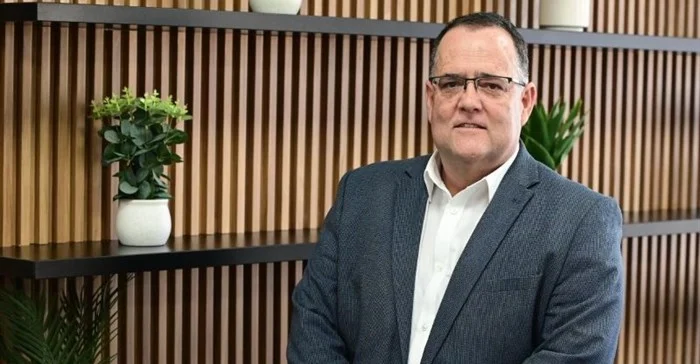
The founder of Mwenyemasi Shoe Company has signed a distribution agreement with South African retail giant PEP, opening the door for his handcrafted footwear to reach customers across Africa.
But what makes this story remarkable isn’t just the commercial opportunity. Despite reportedly being offered the chance to relocate to South Africa with a work permit, Mwenyemasi chose to keep production firmly rooted in Malawi to create jobs and strengthen the country’s manufacturing sector.
A Partnership That Goes Beyond Retail
The new distribution partnership gives Mwenyemasi access to one of Africa’s largest retail networks, allowing his footwear to reach a significantly wider customer base while remaining proudly made in Malawi.
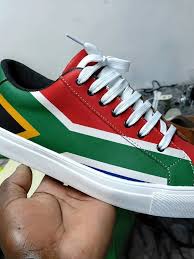
Rather than moving production closer to the market, the entrepreneur has chosen to keep manufacturing local, aiming to create jobs and support Malawi’s manufacturing industry.
In an era when many African businesses outsource production overseas, Mwenyemasi’s decision reinforces the value of building local industries.
Built on Years of Craftsmanship
The partnership is the latest milestone in a journey that began more than a decade ago.
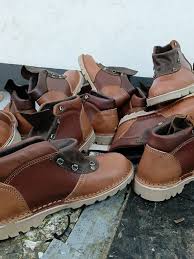
Mwenyemasi started making shoes in 2011 after learning the trade from his late father. Working with limited resources, he gradually built his business before securing financial support that enabled him to invest in machinery and significantly increase production capacity.
His company has since expanded from producing only a handful of shoes each day to manufacturing around 50 pairs daily while creating employment opportunities in Malawi.
Along the way, he has also trained young entrepreneurs and women in shoemaking, helping develop skills within local communities.
Why PEP Benefits Too
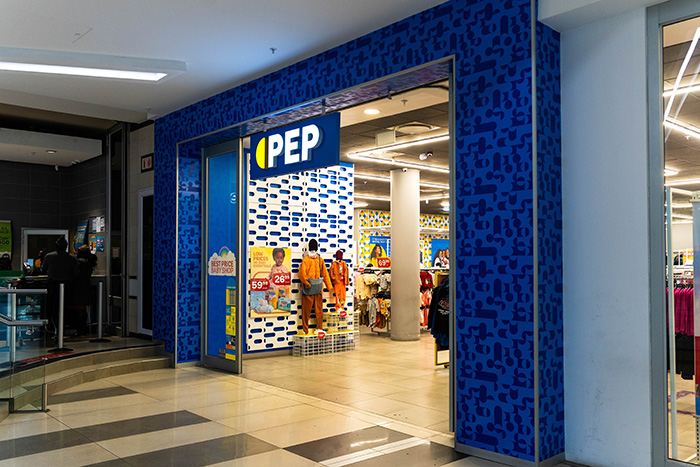
From a branding standpoint, manufacturing in Malawi adds depth to Mwenyemasi’s story. More and more, consumers want to know a product’s origins and how companies give back to the community.
The partnership also aligns with PEP’s long-standing positioning around affordability, accessibility, and supporting African communities.
When customers buy a pair of shoes, they’re not just making a purchase; they’re backing a business dedicated to creating jobs and investing in its home country. By working with an African manufacturer instead of relying only on imports, PEP is telling a stronger story about supporting entrepreneurship across the continent.
Supporting local and regional manufacturers helps diversify product ranges while reinforcing a commitment to economic development across the continent.
What Other African Brands Can Learn
The agreement also highlights a broader shift taking place across the continent.
Mwenyemasi’s journey shows that expanding a business doesn’t have to mean giving up local manufacturing. By keeping production in Malawi while branching out into South Africa, he proves that growth can benefit entire communities, not just a single company.
The agreement underscores the growing significance of trade across Africa, as brands collaborate across borders to tap into new markets while retaining value within the continent.
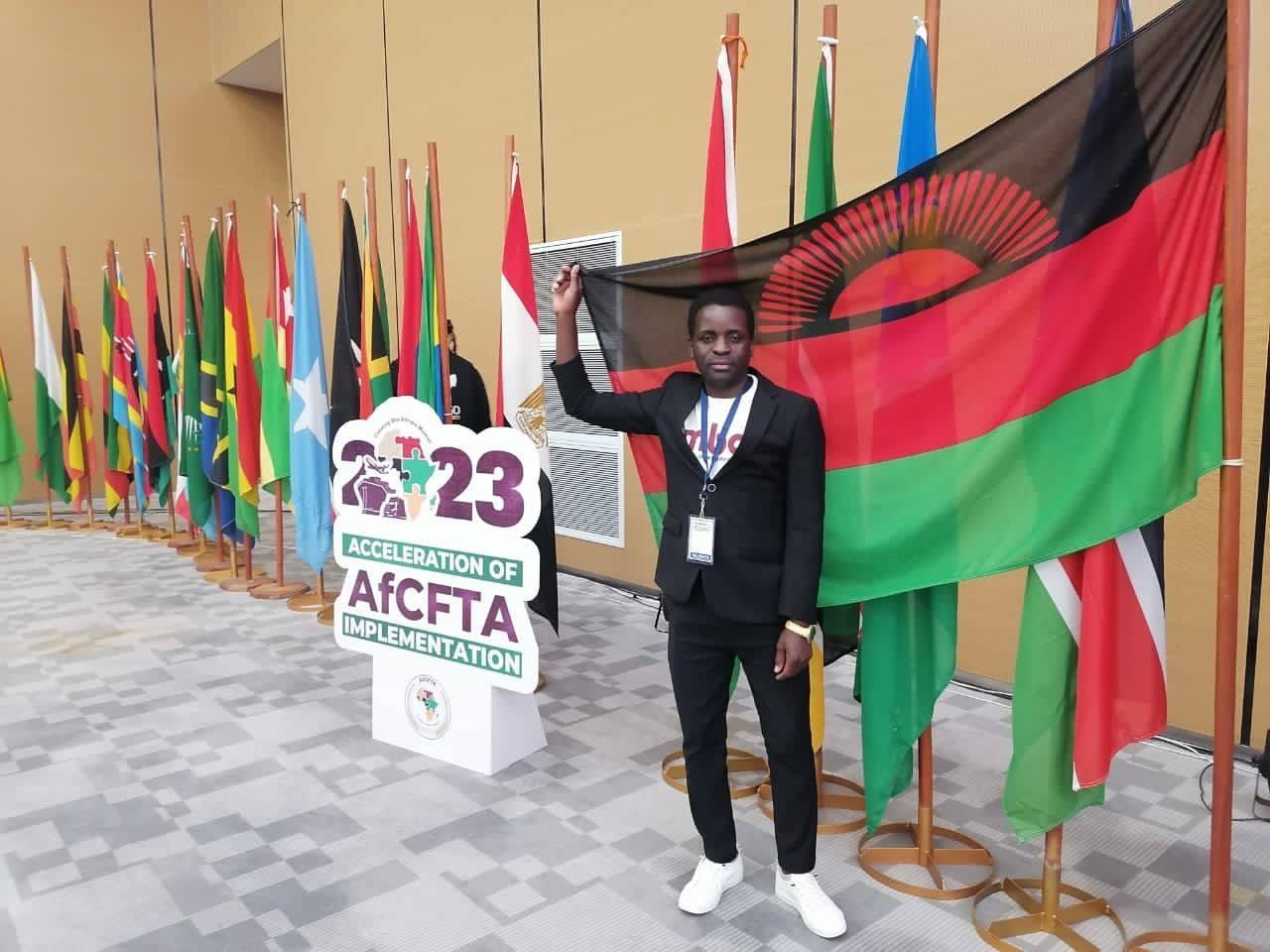
With initiatives like the African Continental Free Trade Area (AfCFTA) boosting regional connections, more African businesses are stepping beyond their home countries to explore exciting opportunities for growth.
Read more: Why Local Heritage Brands Continue to Thrive