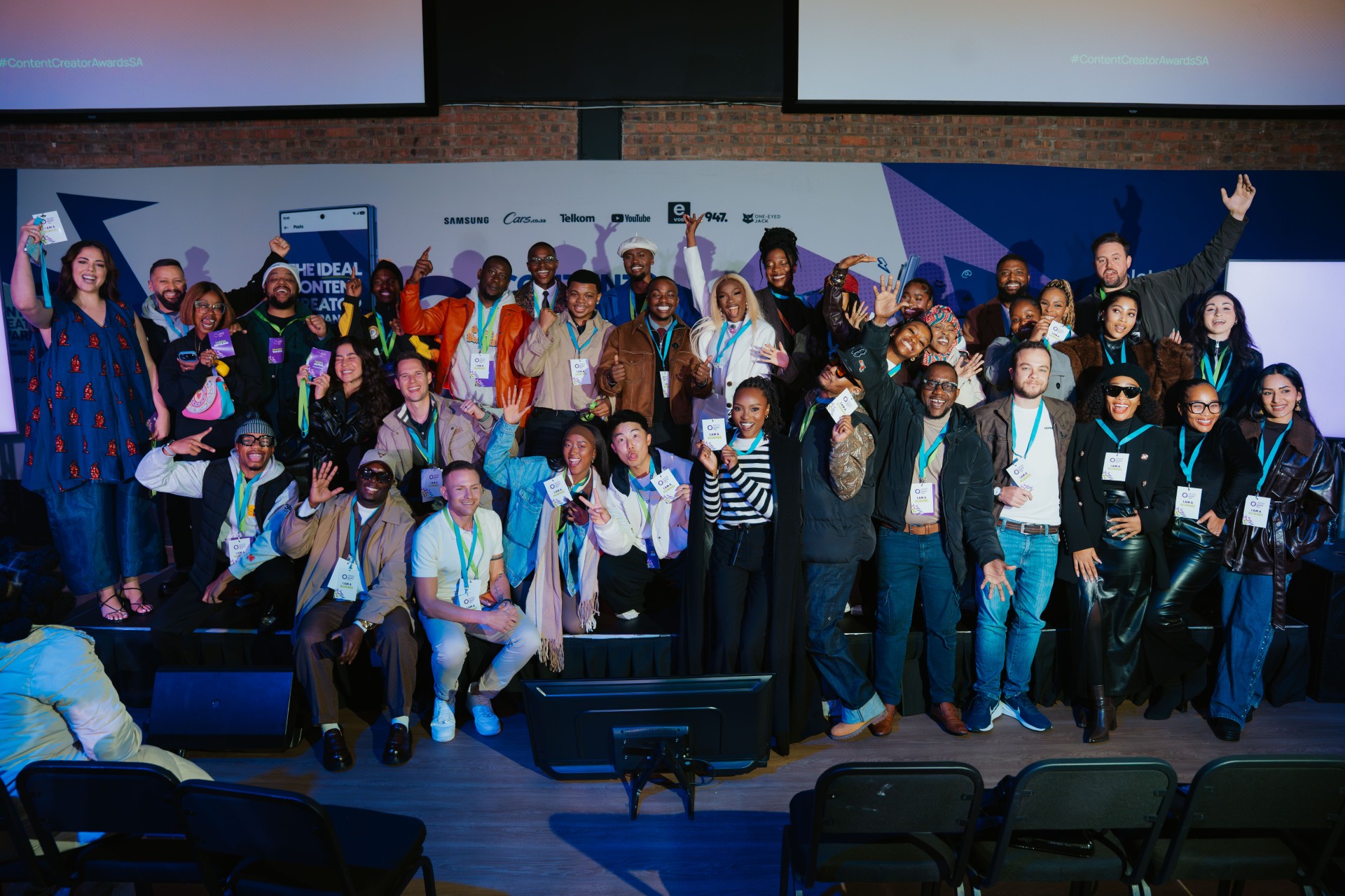
As consumer attention becomes more fragmented, brands are under increasing pressure to understand where their audiences are, what they care about and how they want to be engaged.This changing environment formed part of the conversation at the 2026 Business to Brand Summit, where Unilever contributed its perspective on the future of marketing and the growing attention economy.
The Summit, held on 16 and 17 April 2026, brought together corporate executives, marketers, entrepreneurs and creatives to explore how businesses can build stronger brands in a fast-changing African market.
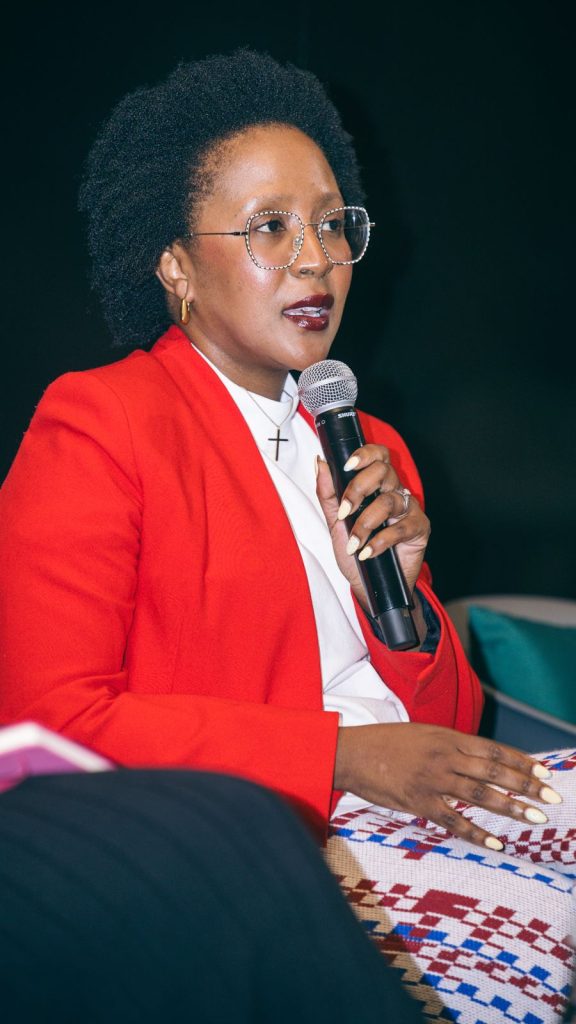
Representing Unilever on a panel discussion was Elizabeth Mokwena, Executive Marketing Director for Home Care at Unilever. Mokwena has built a career around developing major consumer brands in Africa and has described her work as giving global brands an African passport while helping African brands gain wider exposure.
Her contribution at the Summit centred on one of the biggest questions confronting modern marketers: how do brands earn attention in a world where consumers are constantly scrolling, searching, streaming and switching between platforms?
Unilever’s shift towards social-first marketing
Mokwena shared that Unilever is implementing a social-first media strategy as it responds to changes in consumer behaviour.
This approach recognises that social media is no longer merely a channel through which brands distribute advertising. It has become a space where culture is shaped, consumer conversations unfold and purchasing decisions are influenced.
For Unilever, being social-first means paying closer attention to how people behave and communicate online, and using those insights to inform more than just the next campaign.
“They are going to social media to mine insights about their consumers and to be able to go back and develop products that meet their needs,” Mokwena explained.
This is an important distinction.
Social media is often treated as a promotional tool at the end of the marketing process. Content is produced, distributed and measured according to reach, views or engagement.
Unilever’s approach suggests that social platforms can play a role much earlier in the business and brand-building process. The conversations taking place online can help marketers identify emerging consumer needs, understand cultural shifts and uncover problems that new products or services could solve.
In this sense, social media becomes a live source of consumer intelligence.
Social-first does not mean social-only
While Mokwena acknowledged the growing influence of social media, she cautioned against abandoning the broader marketing mix.
Her message was clear: a social-first strategy should not be interpreted as a social-only strategy.
Traditional media still plays an important role in building scale, familiarity and credibility. Television, radio, outdoor advertising, print, public relations, experiential activity and retail visibility remain valuable, particularly in a diverse market such as South Africa.
Consumers do not experience brands through one platform alone. They may discover a product through a creator, see it advertised on television, encounter it in-store and later search for reviews before making a purchase.
The strongest brand strategies therefore recognise the different role each medium plays along the consumer journey.
Mokwena’s contribution challenged marketers to resist the temptation to chase the newest platform at the expense of established brand-building principles. Social media may offer speed, interaction and cultural relevance, but other channels can still provide the reach and repetition required to build brands over time.
The future of marketing is consequently not necessarily a choice between digital and traditional media. It is about finding the right combination of channels to meet a clearly defined business and consumer objective.
Creators as modern brand storytellers
Another key component of Unilever’s social-first strategy is its approach to creator partnerships.
Mokwena explained that the business is working with creators who can tell brand stories and advocate for its products in ways that feel credible to their communities.
This reflects the evolving role of creators in the marketing ecosystem.
Creators are no longer simply additional media channels used to amplify pre-approved advertising messages. The most effective creator partnerships draw on the creator’s voice, relationship with their audience and ability to translate a brand proposition into culturally relevant content.
For brands, this requires a different kind of partnership.
It means moving away from overly scripted influencer posts and allowing creators to communicate in a way that feels natural to the communities they have built.
It also means choosing creators based on alignment and storytelling ability, rather than follower numbers alone.
A creator who genuinely understands a product and can explain its relevance may generate more meaningful advocacy than a larger personality whose audience sees the partnership as transactional.
What marketers can learn from Unilever’s approach
Unilever’s contribution to the Business to Brand Summit highlighted three important principles for marketers navigating the attention economy.
The first is that social media should be used for listening, not only broadcasting.
Brands that actively study the questions, complaints, habits and conversations emerging online can develop a deeper understanding of their customers. Those insights can influence communication, customer experience and even product innovation.
The second is that new media should complement rather than automatically replace traditional channels.
The media environment may be changing, but the fundamentals of brand-building remain. Brands still require consistency, reach, distinctiveness and sustained investment.
The third is that creators should be treated as strategic storytelling partners.
Successful creator collaborations are built on credibility, shared relevance and an understanding of what the creator’s audience values. The objective should not simply be visibility, but trusted advocacy.
Moving from attention to understanding
The attention economy has encouraged brands to focus heavily on capturing views, clicks and engagement.
However, attention alone does not guarantee brand growth.
The more valuable opportunity is to convert attention into understanding: understanding consumers, understanding culture and understanding the role a brand can play in people’s lives.
Unilever’s presence at the 2026 Business to Brand Summit helped move the conversation beyond whether brands should invest in social media. The more important question is how they can use social platforms to become more responsive, relevant and consumer-led.
By combining social listening, creator-led storytelling and a balanced marketing mix, brands can participate in contemporary culture without losing sight of the long-term work required to build trust and familiarity.
That may ultimately be the central lesson from Unilever’s contribution: the future of brand-building will not belong to the brands that simply make the most noise.
It will belong to those that listen closely, interpret consumer needs intelligently and use the right combination of voices and media platforms to respond.