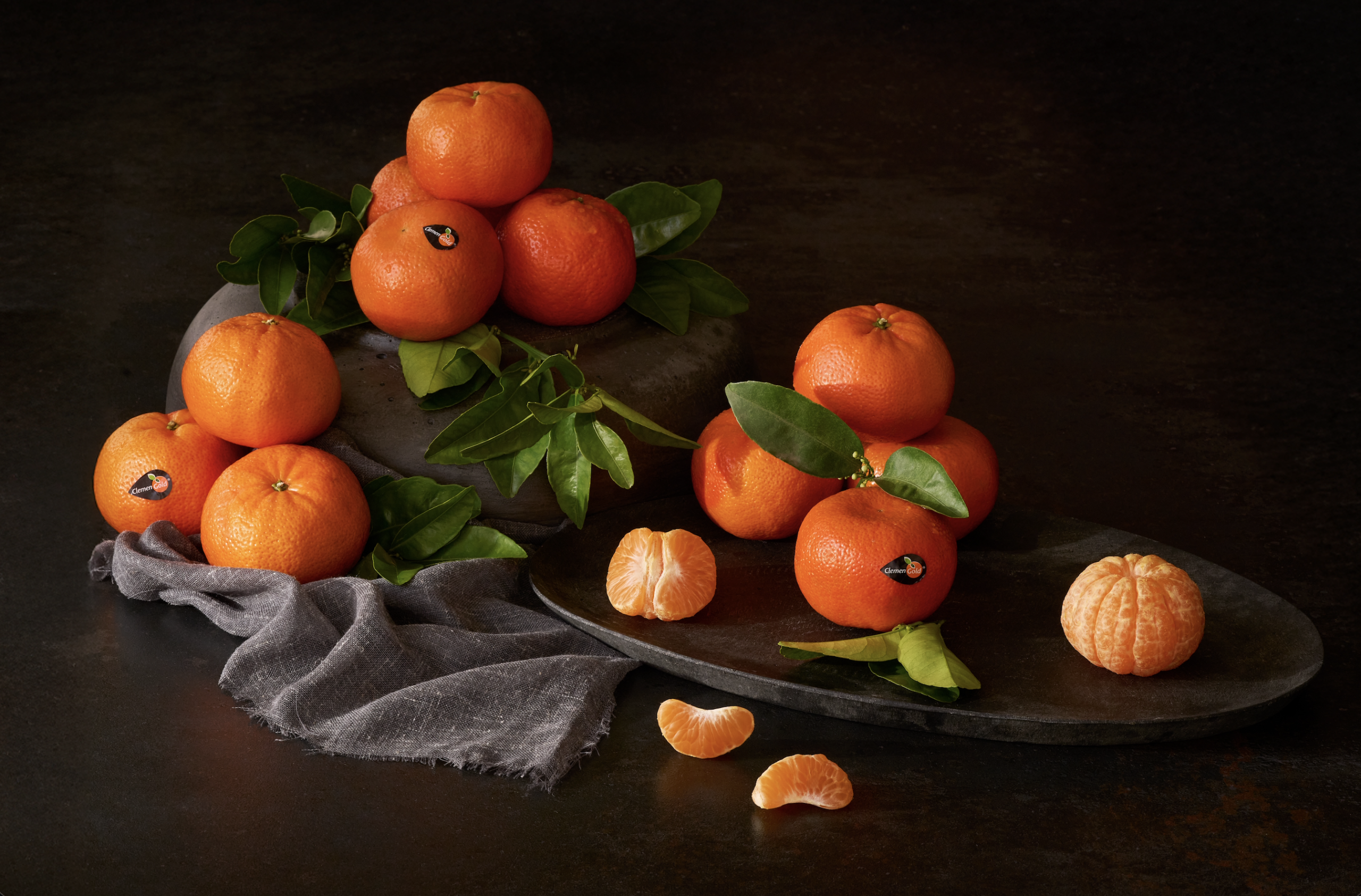
ClemenGold offers a rare example of how consistency, familiarity and a clear product promise can transform a fresh produce product into a recognised consumer brand.
Brand-led purchasing is common across modern retail. Consumers recognise names, remember experiences and develop habits around products they trust. Fresh produce, however, has traditionally operated differently, with purchasing decisions often influenced by factors such as price, availability, seasonality and convenience.
ClemenGold presents an interesting exception.
Available exclusively through Woolworths in South Africa, the premium mandarin brand has spent more than two decades building familiarity with consumers and creating a recognisable identity in the fresh produce category.
For many South African shoppers, ClemenGold® is no longer simply another mandarin on the shelf. The name is associated with a particular eating experience, making it a useful case study in how branding can influence consumer behaviour in a category often viewed as a commodity.
ClemenGold and the Power of Familiarity
One of the most important elements of the ClemenGold story is familiarity.
Consumers tend to gravitate towards products they recognise and understand. When a product consistently delivers an experience that meets expectations, familiarity can become an important factor in repeat purchasing.
This is particularly relevant in fresh produce.
Unlike many packaged consumer products, individual pieces of fruit can naturally vary. Weather conditions, growing environments, seasonality and harvesting conditions can all influence the final product.
Yet consumers still expect consistency.
ClemenGold has built its brand around a clear product proposition focused on qualities including sweetness, juiciness, easy peeling and virtually seedless segments.
That consistency helps reduce uncertainty for shoppers. Rather than evaluating every purchase from scratch, consumers can use the brand as a shortcut to an experience they already recognise.

How ClemenGold Became More Than a Commodity
The distinction between a commodity and a consumer brand is important.
A commodity is often evaluated primarily on practical factors such as price, availability and immediate quality. A recognised consumer brand can carry additional associations built through repeated experiences.
ClemenGold demonstrates how that transition can happen within fresh produce.
Through its consistent identity and product positioning, the brand has created recognition that extends beyond the physical fruit itself.
Consumers can recognise the name, associate it with particular product characteristics and seek it out when shopping.
That behaviour is significant because it suggests that the product has developed a place in consumers’ minds beyond simply being another citrus option.
The Role of Woolworths in the ClemenGold Story
ClemenGold®’s exclusive relationship with Woolworths in South Africa has also played an important role in reinforcing its consumer familiarity.
Consumers know where to find the product, while the retail environment provides a consistent setting for the brand.
That combination of product recognition and retail consistency can be particularly valuable for a premium fresh produce brand.
When shoppers repeatedly encounter the same brand in a familiar retail environment, the product can become part of their regular shopping behaviour.
Over time, that repeated exposure can contribute to recognition and recall.
Consistency Is a Powerful Brand Asset
For ClemenGold®, consistency is not simply a product characteristic. It is part of the brand experience.
Consumers develop expectations around products they buy regularly. When those expectations are consistently met, trust can develop.
That is particularly challenging in agriculture, where production is influenced by factors outside a brand’s direct control.
Growing conditions, weather and seasonal changes can all affect fresh produce. Maintaining a recognisable consumer proposition despite those variables therefore requires a strong focus on the overall product and brand experience.
ClemenGold®’s positioning demonstrates why consistency can be such a powerful asset in a category where consumers may otherwise make decisions based primarily on immediate factors such as price or availability.
Turning a Seasonal Product Into a Household Habit
Although citrus is seasonal, ClemenGold® has become associated with everyday consumer moments.
For South African households, the fruit can form part of lunchboxes, fruit bowls, family shopping trips and everyday eating routines.
Those moments matter from a branding perspective.
The strongest consumer brands often become connected to habits and routines rather than remaining products that consumers consciously evaluate every time they buy them.
ClemenGold’s familiarity allows the brand to become part of those routines.
The result is a product that consumers can recognise and remember even within a category where individual products are not always strongly differentiated by brand.
Building Recognition Beyond the Citrus Aisle
The ClemenGold story also demonstrates the broader value of creating a recognisable identity within a traditionally fragmented category.
Fresh produce is often discussed in terms of varieties, origins, growing regions and seasonal availability.
Branding introduces another layer to that conversation.
A name can create recognition. A consistent product promise can create expectations. A reliable retail presence can make the product easier to find.
Together, these elements can help a fresh produce product develop the characteristics of a consumer brand.
ClemenGold Shows What Branding Can Do in Fresh Produce
The broader lesson from ClemenGold® is that branding does not only belong in traditional FMCG categories.
Even products that consumers might initially perceive as commodities can build recognition when they consistently deliver a clear proposition.
ClemenGold has created familiarity around the product, strengthened its association with specific eating characteristics and maintained a recognisable presence in the South African retail environment.
That creates a different relationship between the shopper and the product.
Instead of simply asking, “Which mandarin should I buy?”, a consumer may already have a preferred answer.
That is where branding becomes particularly powerful.
What Brands Can Learn From ClemenGold
For marketers, retailers and businesses operating in other categories, the ClemenGold example highlights several important principles:
Consistency builds trust.
Consumers are more likely to return to products when their experience matches their expectations.
Familiarity influences purchasing behaviour.
Repeated exposure to a recognisable product can make the decision-making process easier.
A clear product promise matters.
Consumers need to understand what they can expect from a product and why it is different.
Retail presence can strengthen recognition.
Being consistently available in a familiar environment can reinforce consumer habits.
Commodity categories can be branded.
Fresh produce does not have to remain anonymous if businesses can create meaningful differentiation and consumer recognition.
The ClemenGold Case Study
The ClemenGold® story provides an interesting example of how brand strategy, product consistency and retail presence can work together.
Over more than two decades, the brand has developed familiarity in a category where strong consumer brands are less common.
Its positioning around sweetness, juiciness, easy peeling and virtually seedless segments gives consumers a clear understanding of what to expect, while its relationship with Woolworths provides a consistent point of purchase in South Africa.
The result is a fresh produce brand that many consumers can recognise, remember and actively seek out.
For marketers and retailers, that makes ClemenGold an especially useful case study in how consumer trust and familiarity can be built in categories traditionally dominated by commodity purchasing behaviour.
For more information about ClemenGold, visit the official ClemenGold website.